Showing posts with label Cancer. Show all posts

Sunday, October 18, 2026

Faithful gather to welcome Pope Leo back for Sunday blessing after cancer surgery


Pope Leo XIV has returned to the Vatican after undergoing surgery to remove a lung tumor

By COLLEEN BARRY Associated Press and TRISHA THOMPSON Associated Press

October 18, 2026, 5:41 AM


VATICAN CITY -- Catholic faithful converged on St. Peter’s Square on Sunday to welcome Pope Leo XIV back to the Vatican after surgery to remove a tumor from his lung.

Leo is delivering the traditional Angelus blessing, his first official appointment since being released from the hospital on Saturday, four days after cancer surgery.

The 71-year-old pontiff had the lower lobe of his right lung removed on Tuesday in the first major health event of his 17-month pontificate. The surgery confirmed he had adenocarcinoma, the most common type of lung cancer.

He told a reporter in English that he was doing ‘’much better’’ as he drove away from Rome’s Gemelli hospital to return to the Vatican, well ahead of the weeklong hospital stay than had been initially anticipated.

“I don’t believe it, because he was just operated on the other day,” Cosimo Mastrocinque, a retired factory worker visiting the Vatican from the southern region of Puglia, said. “It is a miracle that he recovered already.”

American tourists were especially eager to pray alongside the first pope born in the United States. Marla Marsala of Michigan was supposed to attend a Mass with the pope last week that was canceled due to his hospitalization.

‘’I am just happy that we are praying with him today instead of for him, like we were before,’’ Marsala said. "It was a tough week for all of the people who love him, which are many. He seems like a very strong soul. So I think he will pull through and fight it, and succeed and keep doing the wonderful work he is doing.''

Claire Holland from Jacksonville, Florida, said she felt “very blessed” to be present for the pope’s return to his flock.

“I’m so happy that he has recovered so quickly. I think there have been millions and millions of prayers. And he is a strong determined man, and I am so happy that he is feeling well enough to do this,” Holland said.

Leo's next major engagement is an ambitious Nov. 6-17 trip to Uruguay, Argentina and Peru, including a dozen flights and two helicopter rides to high altitudes. His surgeon, Dr. Stefano Margaritora, told Vatican News on Saturday that there are “no clinical reasons” to preclude the trip.


“The Holy Father has put his heart and soul into his recovery,” Margaritora told Vatican News, adding that he expected the pope to recover fully from surgery “in another 10 days or so.”

“As for a long trip involving air travel in about three weeks, I would say there are no clinical reasons why it should not take place,” Margaritora said.

Histological testing of the tumor and related lymph nodes was underway. The results, along with details of the tumor’s molecular and genetic makeup, will help doctors determine whether the pope needs additional treatment. Options include chemotherapy, a combination of chemotherapy and immunotherapy, or targeted oral therapy based on the tumor’s genetic characteristics.

_____


Thursday, October 15, 2026

The Vatican's 'unusual' transparency about Pope Leo's cancer

The Vatican's 'unusual' transparency about Pope Leo's cancer

Reuters  

Oct 14, 2026  

'Communication about Pope Leo's health has shown a kind of level of unusual transparency for the Vatican,' says Joshua McElwee, as the pontiff recovers from a surgery that removed a cancerous lung nodule and one lobe of his lower right lung.

These common infections can cause cancer...


These common infections can cause cancer. Here’s what can lower your risk.

Recent research indicates that infectious diseases cause about 12 percent of new cancer cases.

October 14, 2026 at 5:00 a.m. EDT
Yesterday at 5:00 a.m. EDT


Helicobacter pylori bacteria. (Steve Gschmeissner/Science Source)


By Daniel Wu

About 12 percent of new cancer cases worldwide in 2024 were caused by infectious agents such as viruses and bacteria, according to a recent study by the International Agency for Research on Cancer.

That means a sizable share of the cancer burden around the world is preventable with tools we already have, including vaccines and other preventative measures, researchers said.

“We have very actionable targets,” said Gary Clifford, a cancer epidemiologist and one of the authors of the study that published in the Lancet Oncology. “We have very many tools against these viruses already.”

Several infectious diseases, like the human papillomavirus and Epstein-Barr viruses, have known links to cancer. Viruses and other infectious diseases can cause cancer several ways: by causing mutations in cells’ ability to reproduce, inducing chronic inflammation and weakening the immune system.

“Viruses are not designed or evolved to cause cancer,” Clifford said. “But it can be a side effect.”

What infections were most often connected with cancer?

Recent research has expanded the range of cancers associated with some infectious diseases and microorganisms, experts said. The recent study incorporated cancers associated with HIV, which has been linked to a rare eye cancer and heightens the cancer risk from other infections. The Epstein-Barr virus, once mostly linked to a rare type of head and neck cancer, has also been associated with stomach cancer.

Wednesday, October 14, 2026

World prays for Pope Leo after lung cancer diagnosis


By Joshua McElwee
October 14, 20263:09 AM EDTU


A person holds a picture of Pope Leo on the day of a mass marking the 10th anniversary of the apostolic exhortation Amoris Laetitia, including special prayers for the health of Pope Leo, who is in a hospital after lung surgery, in St. Peter's Square at the Vatican, October 14, 2026. 
REUTERS/Stoyan Nenov
Summary 
Doctors remove part of pope's right lung to eliminate cancerous tissue

Vatican expected to release more details on Wednesday

Pope expected to remain in hospital about a week, Vatican said earlier

November 6 to 17 trip to Uruguay, Argentina and Peru remains unclear

VATICAN CITY, Oct 14 (Reuters) - World leaders, Catholics across the globe and senior cardinals at the Vatican offered prayers for Pope Leo on Wednesday after ‌doctors announced the 71-year-old pontiff had been diagnosed with lung cancer and had part of one lung removed.
The cancer diagnosis for a pope known to be relatively young and energetic and who was elected only in May 2025 caused shock.

A prayer was recited for Leo to have a good convalescence and complete healing during an open-air Mass in St. Peter's Square on ​Wednesday following the surgery.

The pope was diagnosed on Tuesday with lung adenocarcinoma, the most common form of lung cancer, after doctors removed the lower lobe ​of his right lung during an operation.
Leo spent a peaceful night in hospital, the Vatican said, adding that further information about ⁠his condition would be released later on Wednesday.

The pontiff had been admitted to Rome's Gemelli hospital after doctors discovered a growth during a recent routine health ​check.

The operation lasted about 90 minutes and was completed without complications, the pope's lead surgeon, Stefano Margaritora, and his personal physician, Luigi Carbone, said late on Tuesday.

The ​doctors said in a joint statement that the entire lower lobe of the right lung was removed in an effort to eliminate all cancerous tissue. Human lungs have five lobes — three in the right lung and two in the left.

The Vatican has not disclosed the size of the tumour or whether the disease had spread to nearby lymph nodes, key factors in ​determining prognosis.

Leo is relatively young for a Church leader. He enjoys sports, including tennis, and is not known to be a smoker or to have had recent ​health issues.

Thursday, October 01, 2026

Heavy Drinking Rises Sharply For Older Americans As Younger Generations Cut Back


By  iHeartRadio
Sep 30, 2026


Photo: SeventyFour / iStock / Getty Images


Heavy drinking among Americans ages 50 to 64 has jumped more than 36% since 2018, even as overall alcohol use in the United States has declined for the first time since the COVID-19 pandemic. A new study led by Dr. Brian P. Lee at Keck Medicine of the University of Southern California found that while younger generations are cutting back, middle-aged adults are moving in the opposite direction.

Researchers analyzed data from the National Health Interview Survey conducted from 2018 through 2024. The results, published in the Annals of Internal Medicine (September 2026), showed that heavy drinking rose by over one-third in adults 50 to 64, while alcohol use in this group increased by nearly 4%.

In contrast, Americans in other age groups have reduced their drinking habits. Gallup’s August 2026 poll found that only 54% of U.S. adults now drink alcohol, tying last year’s record low. Generation Z and millennials saw the largest drops, with Gen Z drinking down almost 6% and millennial heavy drinking falling by 17%.

The study defined heavy drinking as 15 or more drinks per week or five or more in a day for men, and eight or more a week or four or more in a day for women, matching standards from the Centers for Disease Control and Prevention. The researchers have not pinpointed exactly why heavy drinking is up among older adults, but they note that this group faces increased health risks, including higher rates of cirrhosis and alcohol-related cancers. As noted by Dr. Lee, “The encouraging national decline should not overshadow the fact that some groups continue to be at increased risk.”

Experts say several factors may contribute to these risks. The National Institute on Alcohol Abuse and Alcoholism reports that older adults have less body water and muscle, which means the same number of drinks leads to a higher blood alcohol level than in younger years. They are also more likely to take medications that can dangerously interact with alcohol and to have chronic health issues that alcohol can worsen.

The overall decline in drinking is seen as positive, but the rise among those aged 50 to 64 signals a need for targeted prevention and treatment efforts. Most people with alcohol use disorder do not receive treatment—in 2024, only 7.5% sought help, according to the National Survey on Drug Use and Health. Outpatient care, which can be scheduled around work and family, is now considered a practical option for many.

Looking ahead, health experts urge ongoing awareness and support for older adults at higher risk of alcohol-related harm. The study’s authors recommend that individuals discuss alcohol use with their healthcare providers, especially if they are taking other medications or managing chronic conditions.


Source  

Tuesday, September 22, 2026

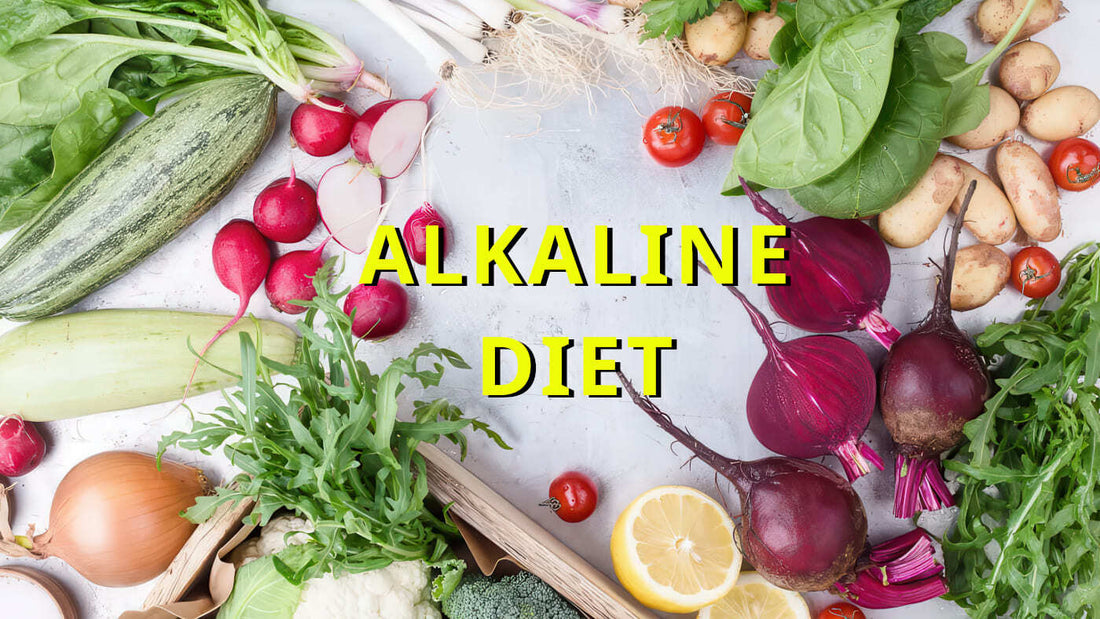
Understanding the Alkaline Diet: How It Works and Its Benefits


February 7, 2025


The alkaline diet has gained popularity as a health trend, with numerous claims about its potential to improve overall well-being and prevent diseases. Proponents of the alkaline diet suggest that consuming alkaline-promoting foods can help maintain a balanced pH level in the body, which is believed to be essential for optimal health. In this article, we will explore the principles of the alkaline diet, its potential benefits, and how it can be incorporated into a healthy lifestyle.

What is the Alkaline Diet and How Does it Work?

What Does Alkaline Mean in Terms of Diet?

The term "alkaline" in the context of diet refers to the idea of consuming foods that can influence the body's pH level to become more alkaline. The alkaline diet is based on the premise that certain foods can affect the acidity and alkalinity of our body fluids, including blood and urine. By eating a diet rich in alkaline foods, such as fruits and vegetables, whole grains, and nuts, proponents of the diet believe that you can make your body slightly alkaline, promoting better health.

How Does an Alkaline Diet Affect pH Levels?

The body's pH level, a measure of how acidic or alkaline the body is, plays a critical role in maintaining overall health. The theory behind the alkaline diet is that consuming alkaline foods can help your body maintain a high pH level, which is thought to be beneficial for various bodily functions. While the body primarily regulates its pH levels through the kidneys and lungs, proponents argue that diet can help support these processes by reducing the intake of acidic foods that may cause imbalances.

Is an Alkaline Diet Effective for Everyone?

While the alkaline diet may offer certain health benefits, it is not necessarily effective for everyone. Individual dietary needs can vary based on health conditions, lifestyle, and personal preferences. Consulting with a dietitian can provide personalized guidance on whether following an alkaline diet is suitable for you. It's important to note that while many foods in the alkaline diet are considered healthy, such as fruits and vegetables, the diet doesn't eliminate the need for a balanced intake of nutrients from various sources.

Can the Alkaline Diet Help with Cancer Prevention?

What is the Connection Between Diet and Cancer?

Diet and cancer are closely linked, with numerous studies suggesting that certain foods can influence cancer risk. A diet rich in whole and unprocessed foods, particularly those high in antioxidants and phytochemicals, is often recommended for cancer prevention and treatment. Processed foods and those high in unhealthy fats and sugars are typically considered to increase cancer risk. The alkaline diet encourages a focus on plant-based foods, which aligns with general recommendations for reducing cancer risk.

Friday, July 17, 2026

Scientists Design Particle That Makes Cancer Cells Self-Destruct


Published
Jul 16, 2026 at 07:22 PM EDT

updated
Jul 16, 2026 at 07:23 PM EDT


By Maria Azzurra Volpe
Reporter
Newsweek is a Trust Project member


Researchers have developed a new nanoparticle-based strategy that could advance a promising cancer treatment approach by using tumors’ own copper supply to trigger cancer cell death.

The study, led by researchers at Guizhou Medical University and published in Biomedical Analysis, focuses on cuproptosis, a form of cell death that occurs when copper disrupts cancer cell survival mechanisms.

Cuproptosis has previously attracted interest as a possible cancer treatment approach, but many previous strategies have relied on adding external copper—raising concerns about toxicity to healthy tissues.

The new system is designed to avoid that problem by delivering a copper-binding agent directly to cancer cells and taking advantage of the copper already present inside tumors.

To create the system, researchers developed biodegradable nanoparticles made from PLGA-PEG, a material known for its safety and ability to break down in the body. They modified the surface of the nanoparticles with iRGD, a tumor-penetrating peptide designed to help guide the particles toward cancer cells.

The nanoparticles were loaded with TPEN, short for N,N,N′,N′-tetrakis(2-pyridylmethyl)ethylenediamine, a compound that binds to metal ions such as copper.


A 3D render illustrates targeted cancer cells treatment. | Getty Images

Tuesday, April 28, 2026

These Common Food Preservatives May Be Linked To Cancer, According To A New Study


Here's what the research found and what experts say to do next.

By Amanda Mactas

PUBLISHED: FEB 23, 2026


oscar acosta / 500px//Getty Images

  • A large study followed more than 100,000 people for nearly 15 years and found links between higher intake of certain preservatives and a modestly higher cancer risk.
  • The researchers flagged a handful of additives, but experts stress the results show association, not causation, and may reflect overall ultra-processed diets.
  • If you’re concerned, focus on limiting ultra-processed foods, reading labels, and building meals around whole foods rather than panicking and purging your kitchen.

A recent study called into question the long-term health effects of common food preservatives. The study, published by BMJ Group, tracked more than 100,000 people for nearly 15 years and found that a handful of common food preservatives may be linked to a higher risk of cancer. While previous research has suggested certain preservatives can damage cells and DNA, scientists wanted to see whether these additives were associated with increased cancer risk in real-world diets.

The study examined 17 preservatives and found that only some were linked to a higher cancer risk. In particular, potassium sorbate, potassium nitrate, sodium nitrite, and sulfites were associated with an increased risk of overall cancer, as well as specific types like breast and prostate cancer. However, just because people who consumed more preservatives had a higher risk of developing cancer doesn't mean the preservatives themselves caused it—other factors could also be at play.

Saturday, November 03, 2018

7 foods that can potentially increase your risk of getting cancer


54m


Processed meats like beef jerky have been labeled as carcinogens. 
Eskymaks/Shutterstock


Over the past few years, public health organizations, academic studies, and governing bodies have linked a few foods and beverages to increased cancer risk and have labeled them c carcinogenic, something capable of causing cancer.

Here are some foods that, when consumed, have been linked to potentially increasing one's risk of getting cancer. 


1/7

Alcohol has been identified as a known carcinogen.

I

t's been linked to multiple types of cancers. 


Alcohol is recognized as a known carcinogen by major authorities such as the American Cancer Society and the National Institute of Health.

According to the National Cancer Institute, alcohol consumption has been linked to head and neck cancer, esophageal cancer, liver cancer, and other cancers.

Your cancer risk can be affected by how much you drink, especially over time, but as a rule of thumb, the federal Dietary Guidelines for Americans recommends drinking no more than one standard drink per day for women and two per day for men.

 
2/7

Processed meat, like hot dogs, sausages, and beef jerky, are proven carcinogens.


Carcinogens can be linked to cancer risk. 
Brendan McDermid/Reuters

Saturday, July 14, 2018

Sikh Association and Adventist Health Bakersfield Partner for Cancer Screening at Sikh Temple


4 July 2018 | Adventist Health Bakersfield is joining forces with Bakersfield Sikh Women’s Association for a preventative cancer screening. The Kaur Care Women’s Health Preventative Cancer Screening program will feature free breast exams and will be held from 10 a.m. to 2 p.m. this Sunday, July 8, at Gurdwara Guru Dashmesh Darbar, a Sikh place of worship in Bakersfield, California.

This is the first in a series of screenings that will be hosted by Kaur Care. It is named after Gurbinder Kaur, a mother who passed away from cervical cancer this year at the age of 43.

According to the Bakersfield Californian, Kaur’s cancer could have been detected early if she had received a routine pap smear.

An Adventist Health press release said that discussion of health issues is often avoided in the Sikh community. The program seeks to raise awareness in the community of the need for routine cancer screenings to improve early cancer detection.

Adventist Health Bakersfield, previously San Joaquin Community Hospital, is a 254–bed facility in Bakersfield, California which serves Kern County. Adventist Health runs 20 hospitals and over 280 clinics on the West Coast and in Hawaii. It also operates home care and hospice agencies. According to the Sacramento Business Journal, it is the third-largest private company in the Sacramento region with $3.95 billion in 2016 revenue. The system is affiliated with the Adventist Church.


Saturday, December 09, 2017

Danny Vierra's Cancer Journey


Danny Vierra

Published on Jun 19, 2017

Danny Vierra tackles metastatic melanoma using the Gerson Therapy, ozone rectal insufflations, supplements, medicinal mushrooms, and more. www.modernmanna.org


Danny Vierra's Cancer Diagnosis

Issue #265
June 16, 2017


I want to be totally candid with you. In January I went to the doctor to have a bleeding mole on my right back flank checked out.


It was the third time the mole had bled. I applied Can-X black salve three different times, and the last application had the most violent reaction. When I showed the area to my doctor, he was alarmed and sent me to a dermatologist, Dr. Ochoa, in Tracy, CA. The area had completely healed before I arrived. Dr. Ochoa performed a punch biopsy and sent it to the lab to be evaluated.

I was driving to Southern California for a speaking engagement when I got the call. Dr. Ochoa said: "Please come see me immediately. In 20 minutes I arrived at her office to hear the news that everybody fears: "You have malignant melanoma.


It is a T-4 and stage 2B (I explain in the video below what these mean)." Dr. Ochoa scheduled a PET scan to check if the deadly skin cancer had metastasized, and then sent me to a melanoma surgeon and a melanoma specialist at Sutter Health Pacific Medical in San Francisco.

The good news was the PET scan showed no evidence that the melanoma had spread. The surgeon, Dr. Stanley Leong, explained the cancer can be microscopic and recommended surgery. He wanted to check lymph nodes it two areas above the primary site which he would remove. Every doctor I trust told me: "Danny, do not mess around with melanoma. It is fast-growing and deadly." Howard Strauss, Charlotte Gerson's son said: "Melanoma is like a volcano, highly active and aggressive, but with the right therapy it can also die fast. I thought of Charles Lawson, a friend of mine, who died not too long ago from melanoma in his sinuses.

I am not going to share what the surgeon found right now, but it wasn't good. I am thankful I had the surgery. I explain the whole story in my new video " My Personal Healing Journey (below)" which you will find both shocking and educational. In fact, I gave four health presentations, three on cancer, at this year's Health and Healing Crusade 2017. The links are below. The audience enjoyed them all, especially the " Cancer Workshop" which I gave on Sunday morning, where I explained everything from ozone rectal insufflations, immunotherapy and medicinal mushrooms, herbal medicines, enzyme therapy, the Gerson Therapy, and more.

My diagnosis is very serious. I count it a blessing because cancer wakes you up to life. So many people are writing, Facebooking, emailing, calling, and offering prayers and support. My spirits are high and Jesus is by my side. We are walking this journey together.

I will continue teaching at our BellaVita 10-Day programs and RISEN our medical missionary school. If you would like to attend the school and learn what I am doing to fight cancer this is the program for you. Check out the details at http://www.modernmanna.org/risen
.
We only take eleven students. The dates are October 8 - 22 to become certified as a Natural Hygiene Coach and open your own lifestyle home or center.

I want no pity, but empathy is OK. I do ask for your prays. I trust the Lord will be glorified by my healing. The doctor's main concern right now is that there is no recurrence within the next two years. I am strong in faith, trusting God in the journey, and know that my true healing is only through His divine power. I believe the Lord allowed this trial to get me to make some serious changes in my life. To lessen the stress, for sure. Nothing else would have persuaded me to make the needed changes. Healing on all levels, physically, mentally, and spiritually.

My health has continually declined over the past several years due to constant high stress. I have identified the areas of my life that are most stressful and am taking the necessary steps to eliminate them. I will NOT be traveling and speaking for at least one year or more. My health program runs from 6:30 AM to 7 PM seven days a week. It is not easy, but my daughter Mia helps me every day making my organic juices, Gerson soup, specially prepared food, and taking care of other duties.
Enough said for now. I hope you enjoy the cancer videos (below) and share them with others. I will be posting all the Health Crusade videos for my subscribers from the speakers for 2017 including Dr. Tim Riesenberger, Christian Berdahl, and Ron Woolsey, who spoke openly about homosexuality and the power of God to change.
If you would like to send me a letter or comment, email me at danny@modernmanna.org.


Thank you again for your prayers.
God bless you,
Danny Vierra


Note:

I found out today 12/9/2017, that Danny Vierra is extremely sick, and a mutual friend of ours asks for prayers so that he may peacefully rest from further suffering.

Please keep Danny Vierra in you prayers.

Thank you.


Wednesday, April 13, 2016

Joe Biden will visit the Vatican to discuss his fight to cure cancer


Joe Biden
Drew Angerer / Getty Images


Vice President Joe Biden, shown at a Washington forum in March, has visited some of America's top medical centers as part of his "moonshot" to cure cancer.


Vice President Joe Biden, shown at a Washington forum in March, has visited some of America's top medical centers as part of his "moonshot" to cure cancer. (Drew Angerer / Getty Images)


Michael A. MemoliContact Reporter


Vice President Joe Biden, who has traveled to some America's leading medical centers in recent weeks as part of what he has called his moonshot to cure cancer, will soon take his quest to the Vatican.

Biden will address a major conference on the progress of regenerative medicine in Vatican City on April 29, the vice president's office said Wednesday.


The gathering, hosted by the Stem for Life Foundation and the Vatican's Pontifical Council for Culture, will also draw leading physicians, ethicists and philanthropists to discuss the potential of emerging research to treat cancer and other diseases. The initiative has been championed by Pope Francis, who worked as a chemist before he entered the priesthood and has written in support of scientific progress.

See the most-read stories this hour >>Read the story

Biden will be the latest leading U.S. political figure to attend a major gathering at the Vatican. Sen. Bernie Sanders, a candidate for the Democratic presidential nomination, will travel there this week to address a separate summit on social, economic and environmental issues.


Other details on the vice president's three-day trip to Rome and the Vatican, including a possible meeting with Francis, had not yet been determined, his office said.


Grief over son kept Joe Biden and family from committing to longtime aspiration to presidency
Michael A. Memoli


Staring down the question of his political future late this summer, Vice President Joe Biden and his wife began meeting with a small circle of trusted advisors, who ticked off the decisions he needed to make were he to run for president. Core staff needed to be hired soon, a fundraising infrastructure...


Staring down the question of his political future late this summer, Vice President Joe Biden and his wife began meeting with a small circle of trusted advisors, who ticked off the decisions he needed to make were he to run for president. Core staff needed to be hired soon, a fundraising infrastructure... (Michael A. Memoli)


Biden, the nation's first Catholic vice president, attended Francis' papal inauguration in 2013 and attended multiple events during the Catholic leader's visit to the U.S. last fall, including his address to Congress and departure from Philadelphia after the World Meeting of Families there.

Biden has praised Francis' message of inclusion, writing in Time magazine that the pope "put a welcome sign on the front door of the Church." Biden has also spoken of Francis' personal empathy toward him and his family since the death last May of Biden’s eldest son, Beau, and the role of his faith in coping with personal tragedy.

The vice president's effort to cure cancer, first announced by Biden as he said last fall that he would not run for president, was formally launched this year in President Obama's State of the Union address. Biden has since traveled to Duke University, the University of Pennsylvania, Johns Hopkins University and other research centers as part of his effort to bring stakeholders together in search of a cure.


Source
.

Wednesday, December 23, 2015

Spaniards Snap Up Holiday Hams, Even After Cancer Warning


Updated December 23, 201510:48 AM ET

Published December 23, 20155:30 AM ET

LAUREN FRAYER


Listen to the Story


Morning Edition
3:20
Playlist
Download
Embed


Display of Spanish hams in the front window of a branch of the Museo del Jamón, a chain of ham-themed bars in Madrid.Lauren Frayer for NPR

In Madrid, Museo del Jamón, which isn't a museum but a chain of bars, sells special ham backpacks, for carrying a whole ham leg — hoof and all — around town at the holidays. Spanish airports have special luggage rules for them. A leg of ham is the most popular family gift at Christmas. Every self-respecting Spanish household has ajamonera — a kitchen countertop rack on which to mount and cut slices off a ham leg.

"It's the ingredient we use most in Spain — essential to our cooking and to our lives," says Jesus Engamo, a ham cutter who has worked at the museum for 35 years. "We can't live without it!"


THE SALT
Bad Day For Bacon: Processed Meats Cause Cancer, WHO Says

So when the World Health Organization warned in October that eating 50 grams a day of processed meat — defined as including anything cured or salted, like Spanish ham — can raise your risk of cancer, Spaniards were aghast. (On average, Spaniards eat 140 grams of pork a day, though there's no official breakdown of how much of that is cured or processed versus fresh.)

"I think it's a lie! It's what other countries say when they're jealous of Spain because we have the ham," says Asunción Claudios, 25, sharing a plate of jamón ibérico with friends at the Museo.

She closes her eyes as she places a paper-thin, almost translucent slice of jamón on her tongue. It's got to be a conspiracy, she says.


i

A ham cutter demonstrates how to carefully slice Spanish jamón at the Don Jamón tapas bar on Madrid's Gran Vía.Lauren Frayer for NPR

"I'm inclined to say Germany is behind this," she says, straight-faced. "Sure, they have sausage there — but it's nojamón. Other countries are jealous."

There is no evidence whatsoever that Germany or any pork-producing competitor put the WHO up to its cancer warnings. And Spain's ham industry has balked at its products being described as unhealthy, lumped in with other processed meat, like hot dogs.

"My first reaction was, 'I can't believe it!' We have a lot of studies that say just the opposite," says Ricardo Mosteo, president of the Denomination of Origin (D.O.), a ham quality-assurance board, in the region of Teruel, south of Madrid.

Last summer, a scientific study funded by the meat industry of Andalusia, another Spanish region, found that cured Spanish ham is free of the toxoplasmosis parasite found in other uncooked meats, and thus safe for pregnant women.

Groups like the Spanish Jamón Serrano Foundation claim local ham is ideal for people on diets, the elderly, or athletes. The group's website says jamón cuts cholesterol and boosts childhood growth and athletic performance.

NPR could not independently verify the research methods or conclusions of those studies.

But with the WHO findings, Mosteo says his phone has been ringing off the hook, with queries from journalists as well as confused ham consumers.

"I wasn't very worried, but then journalists started phoning me, [asking] 'What do you think?' " he says. "And I realized, OK, this is going to be a problem for us."

The sale of ham legs alone is a $1.65 billion industry in Spain, and 50 percent of sales happen in the weeks before Christmas, Mosteo says.

He predicts a marketing shift, with Spanish ham producers describing their products as organic, to be consumed in small quantities, as a luxury item. But Mosteo says there's been no perceptible drop in ham sales so far this holiday season.

Back on Madrid's Gran Vía, the Méson El Jamón — the house of ham — has a pork leg wearing a Santa hat on its storefront. Inside, another ham specialist is choppingjamón serrano for croquetas — bechamel dumplings.

"Here we're actually selling more ham since the WHO warning," says Angel Contera. "There's an urgency to enjoy it now. If jamón is bad for us, what will we live on?"

He sighs and puts down his knife. He's taking a break — going out for a smoke.


.