The U.S. Senate has approved the Common Cents Act, a bill that could end new penny production, introduce changes to the nickel and reshape how Americans handle cash payments at stores across the country.
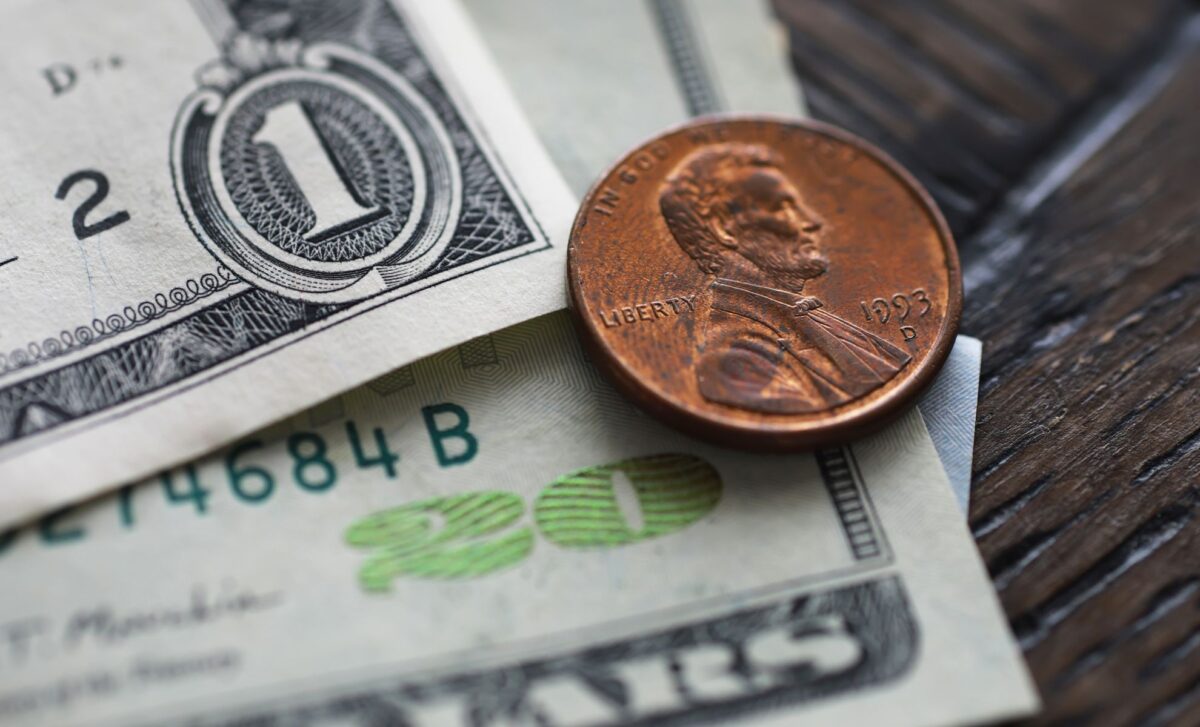
Credit: Sutterstock | en. Econostrum.info - United States

The U.S. Senate has passed a bill that could reshape the future of American coins by ending new penny production, changing cash transaction rules and opening the door to a redesigned nickel. The Common Cents Act received unanimous consent approval from the Senate, moving the legislation closer to becoming law after a similar version passed the House of Representatives.
The proposal addresses growing concerns about the cost of producing low-value coins and the challenges businesses face when handling cash payments without enough pennies available for change. If enacted, the bill would allow businesses to round cash transactions to the nearest five-cent increment while keeping existing pennies legal tender.
It would also give the Treasury Department authority to test a cheaper material composition for the nation’s five-cent coin. The legislation could mark one of the biggest changes to everyday U.S. currency use in decades.
Senate Bill Targets Penny Production And Cash Payment Challenges
According to The Hill, the Common Cents Act focuses on three major areas of U.S. currency policy: ending regular penny production, creating a national framework for cash rounding and exploring a new nickel design. The bill comes after the United States produced its final one-cent coin for circulation last year.
Although no new pennies are being made for everyday use, existing coins remain valid currency and can continue circulating throughout the economy. The disappearance of newly produced pennies has created challenges for some retailers that rely on cash transactions.
Without enough one-cent coins available, businesses have had difficulty providing exact change to customers. Under the proposed system, cash purchases would be rounded to the closest nickel.
For example, a transaction totaling $19.82 could become $19.80, while a purchase ending in $19.83 could be adjusted to $19.85. Supporters of the legislation argue that a nationwide rule would reduce confusion caused by different state and local regulations regarding cash rounding.

