Showing posts with label G20 Interfaith Forum. Show all posts

Thursday, September 17, 2026

Plans for the 2026 G20 Interfaith Forum Year


Click here to Learn About Who's Speaking
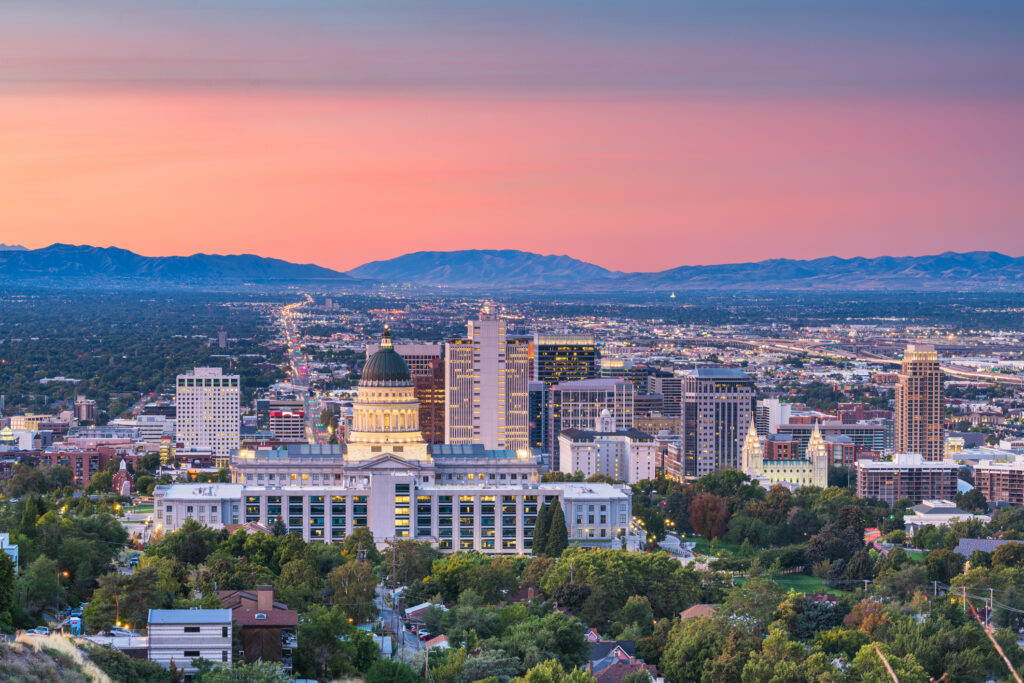


Plans for the 2026 G20 Interfaith Forum Year

2026 Theme:
Interfaith Engagement for Policy Impact

The United States hosts the 2026 G20 process, with its core feature, the Summit of leaders, scheduled at the Trump National Doral Miami resort in Miami, Florida on December 14-15, 2026. The G20 Interfaith Forum Association (“IF20”) plans two main meetings in conjunction with the G20 process this year: the first on May 26 at Georgetown University in Washington, D.C, and the annual Forum in Salt Lake City, Utah, October 15-17, 2026.

The May 26 Washington Policy Forum will focus on analytic work on priority policies addressed through the G20 process. Four review papers will highlight diverse religious contributions to G20 2026 topics and proposed action recommendations. These topics will provide the core structure for the October meeting in Utah. The topics focus on themes related to the three themes the US government has announced for the G20 2026 US presidency: (1) Economic Growth for the Common Good, (2) Energy Security for a Sustainable Future, and (3) AI and the Human Future. A fourth review (4) will focus on more general themes: Interfaith Engagement around the UN Sustainable Development Goals. The review papers and discussion at the Washington Conference will focus on ways that religious values and practices relate to and can add to the critical topic areas, aiming to highlight service of the common good. They will reflect and draw on the ongoing work of the wide range of faith and interreligious networks and alliances engaged in humanitarian, development, and peacebuilding work. Drafts of the four reports will be circulated for consultation and comment prior to the May 26 meeting, then revised as core documents for the October Forum.

The October 15-17 Annual Forum, in Salt Lake City, will focus on the themes identified during the policy review process, with some additional themes identified by Forum participants. Plenary sessions will address the policy themes developed in Washington plus other priority themes, such as the food crisis, health issues (including mental health), education, children’s issues, religion and economic progress, care for creation, etc. Concurrent sessions will facilitate in-depth discussion and analysis. The Salt Lake Forum will include invited speakers, with several sessions responding to topic proposals relevant to Forum priorities from individuals and organizations.

Engagement. The Forum will involve interactive sessions in addition to keynote presentations. The aim is to highlight pertinent experience and to identify emerging areas for constructive forward-looking action. Active civil discourse, with recognition of diverse perspectives and experience, are the driving principle. Active participation by those attending is expected. The closing plenary will highlight major themes and action recommendations, relating them to the continuing G20 agenda. Participants will bring relevant and diverse expertise, from different regions and religious communities. Expressions of interest through the IF20 Secretariat (contact above) are welcome.


Source  (@ Center of Page)

Saturday, September 29, 2018

The G20 Interfaith Forum in Buenos Aires: Religious Perspectives for the 2018 Global Agenda


September 20, 2018
10:30 a.m. - 12:00 p.m.
Location: Berkley Center Third Floor Conference Room

The G20 Interfaith Forum, now in its fifth year, will take place in Buenos Aires, Argentina, from September 26 to 28. Participants explored the central global issues at the heart of the 2018 G20 agenda, focusing on areas where the ethical and practical leadership of religious communities has special importance.

Meeting shortly before the forum convenes, experts previewed the Interfaith Forum agenda and explored possible recommendations that may emerge. Panelists addressed how religious leaders are involved, actually and potentially, in the G20 agenda focal issues, namely, the future of work, education, and food security. They also explored topics of central concern to religious communities, notably approaches to violence and extremism, the fight against modern slavery, fighting corruption, and reducing the negative effects of refugee flows on children. Broadly, the session explored how religious communities can help combat the core global challenges of inequality. In addition to highlighting recommendations to the G20 leadership for this year, participants discussed issues that will likely be at the heart of the 2019 G20 agenda—such as universal healthcare—when Japan assumes leadership.


G20 Interfaith Forum 2018: Argentina


The Puente de la Mujer, Buenos Aires, Argentina

“Building Consensus for Fair and Sustainable Development:
Religious Contributions for a Dignified Future”


The 2018 G20 Interfaith Forum will take place 26-28 September 2018 in Buenos Aires, Argentina. Meetings will be held in the Auditorio Manuel Belgrano in the historic Palacio San Martín of Argentina’s Cancillería, the Ministry of Foreign and Religious Affairs, and in the nearby Sheraton Buenos Aires Hotel and Convention Center. This is the fifth annual event in a series of G20 Interfaith Forums held in relation to the meetings of the international “Group of Twenty” (G20) Economic Summit. This year’s Forum takes place in anticipation of the G20 Summit in Buenos Aires to be held 30 November-1 December.

The G20 Interfaith Forum is pleased this year to partner with meetings of the Argentinian project Ética y Economía, an ongoing dialogue on religiously–and ethically–informed dimensions of the economy, development, and society.

Previous Interfaith Forums have been held in Gold Coast, Australia (2014); Istanbul, Turkey (2015); Beijing, China (2016); and Potsdam, Germany (2016). (Summary videos and programs of previous events can be viewed here.)

Rationale. Practical and ethical insights of global religious communities make substantial if often unrecognized contributions to priority global agendas. The annual G20 Interfaith Forum aims to build a network of networks of faith and interfaith leaders from around the world, together with non-governmental organizations and other policy leaders. Through three days of discussion and dialogue, the culmination of extensive prior consultations, participants highlight the roles that religious communities can play in promoting the goals of successive G20 Economic Summits. The Forums draw on the expertise of a range of opinion leaders, including political leaders, academics, lawyers, and civil society leaders.

Objective. The Forum helps to identify and showcase the policy and societal contributions of faith traditions and philosophies on leading global issues. It creates opportunities for communication and relationship building, and raises the profile of participating communities, groups, and organizations. The aim is to develop recommendations on priority issues that draw on interfaith insight and experience. Particular attention is paid to ways that religious communities can contribute to the host country’s priorities. Thus, the agenda of this year’s Forum reflects topics that the Argentine government has identified for this year’s G20 Summit and broader objectives of the continuing G20 Summit process. The long-term objective is to enhance the capacity of different groups to work together to strengthen human development, understood in the broadest sense. Dialogue and networking facilitated by the Forum aim to raise the level and effectiveness of religious input on major global policy issues with recommendations and action geared to the achievement of the United Nation’s Sustainable Development Goals (SDGs) a key outcome.

Forum Title and Theme

The overarching theme for this year’s G20 Interfaith Forum is “Building Consensus for Fair and Sustainable Development: Religious Contributions for a Dignified Future.” Over three days, presentations, panel discussions, and working group sessions aim to build networks and develop concrete policy recommendations on the following sub-themes:
Inequality, Religion, and the Future of Work
​Accommodating Religion in the Workplace and Schools of the Future
Changing Women’s Roles to Reflect Equal Rights and Opportunities: Religious Debates and Action
Religious Perspectives on Innovation, Labor, and Education
Religion, Environmental Change, and a Sustainable Food Future
Religious Contributions in Movements to Protect the Environment
Religion and the Fight against Hunger
Religious Action Regarding Extractive Industries
Urgent Priorities for Social Cohesion
Refugees, and Migration: Religious Insights and Action
Religious Perspectives and Action Regarding Violent Extremism, Conflict Resolution, and Peacebuilding
The Role of Freedom of Religion or Belief: Practical Dimension
Religion, Good Governance and Sustainable Development
​Sustainable Finance and Financial Inclusion
Debates and Action on Economic Policies including Financial Inclusion (Infrastructure)
Priorities for Equal Opportunities and Respect for Human Rights
Structural Inequalities and Development