Story by Aryelle Siclait
anamejia18 / Getty Images
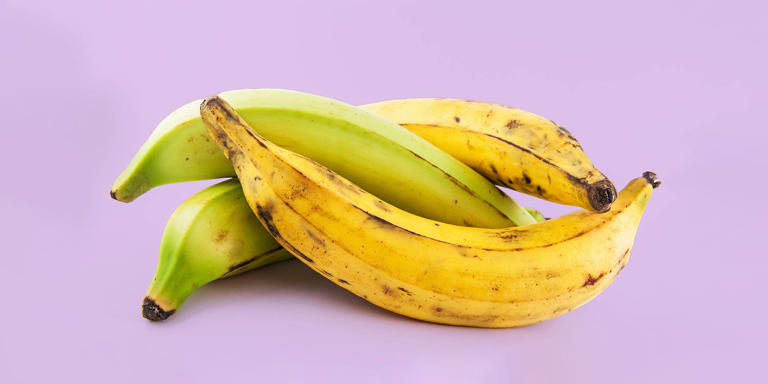
Unripe, plantains are savory and starchy, then, as they transition from green to yellow, speckled with dots, they soften into their sweetest and silkiest form. This healthy fruit is as dynamic as it is delicious.
While you might be inclined to shy away given their sugar content, you’d be missing out on a tasty nutrient boost that can enhance any dish, experts say.
“Plantains are a nutritious choice and a good way to boost intake of fiber, potassium and overall carbohydrates,” Erin Palinski-Wade, registered dietitian and author, tells TODAY.com. The natural sugars in them, which the body is designed to eat, are accompanied by loads of antioxidants and vitamins that’ll fortify you in more ways than one.
Often baked, boiled or fried, in any stage of ripeness, plantains are the starchy powerhouse capable of packing a savory, sweet, crunchy or supple punch. Discover their many benefits and why they’re always worth stocking in your pantry.
Unripe, plantains are savory and starchy, then, as they transition from green to yellow, speckled with dots, they soften into their sweetest and silkiest form. This healthy fruit is as dynamic as it is delicious.
While you might be inclined to shy away given their sugar content, you’d be missing out on a tasty nutrient boost that can enhance any dish, experts say.
“Plantains are a nutritious choice and a good way to boost intake of fiber, potassium and overall carbohydrates,” Erin Palinski-Wade, registered dietitian and author, tells TODAY.com. The natural sugars in them, which the body is designed to eat, are accompanied by loads of antioxidants and vitamins that’ll fortify you in more ways than one.
Often baked, boiled or fried, in any stage of ripeness, plantains are the starchy powerhouse capable of packing a savory, sweet, crunchy or supple punch. Discover their many benefits and why they’re always worth stocking in your pantry.
- 123 calories
- 1.16 grams protein
- 2.1 grams fiber
- 0.89 grams fat
- 31 grams carbohydrate
- 14.2 grams sugar
Nutritional value changes somewhat depending on how ripe the plantain is.
Are Plantains Good for You?
Yes, plantains are a healthy food choice.
They’re an excellent source of magnesium, which helps maintain nerve and muscle function, supports a healthy heart rhythm, regulates blood sugar and blood pressure, and encourages bone strength and energy production.
“The nutrient makeup of plantains can benefit digestive health from the fiber content, while the potassium content can be beneficial for blood pressure regulation,” too, Palinski-Wade notes. “Plantains are also a good source of antioxidants such as vitamin C, which can benefit the immune system."
Be mindful, however, of the fact that plantains aren’t a low-calorie food. While they can support weight loss goals, if they're eaten in excess, you might find you’ve consumed more calories than intended, Palinski-Wade says.
That’s not to say you should cut plantains out entirely. “High-fiber foods (including plantains) can improve fullness, leading to less overall calorie consumption,” she notes. And “adding more plant-based foods, like plantains, to the diet in replacement of refined carbohydrates or ultraprocessed foods with a higher calorie content may help to promote weight loss."
You may want to avoid plantains if you’re allergic to bananas or latex. And if your doctor recommends reducing your potassium intake, consider the portion sizes of your plantains, Palinksi-Wade suggests.
Are Plantains Healthier Than Bananas?
Plantains are the firmer and less sweet cousin of the banana. While they’re both nutritious, “bananas contain fewer overall calories and more antioxidants, whereas plantains are higher in fiber, vitamin C and potassium,” says Palinski-Wade.
Depending on what the taste you're going for, each has something unique and delicious to offer.
How to Cook Plantains
Unlike bananas, plantains have to be cooked. To reap the most nutritious benefits, Palinksi-Wade recommends baking, boiling or steaming them in order to minimize fat, calories and sugar. You might also try air frying them for less fat and a bit of crunch.
This article was originally published on TODAY.com


No comments:
Post a Comment