Showing posts with label Diet. Show all posts

Tuesday, April 28, 2026

These Common Food Preservatives May Be Linked To Cancer, According To A New Study


Here's what the research found and what experts say to do next.

By Amanda Mactas

PUBLISHED: FEB 23, 2026


oscar acosta / 500px//Getty Images

  • A large study followed more than 100,000 people for nearly 15 years and found links between higher intake of certain preservatives and a modestly higher cancer risk.
  • The researchers flagged a handful of additives, but experts stress the results show association, not causation, and may reflect overall ultra-processed diets.
  • If you’re concerned, focus on limiting ultra-processed foods, reading labels, and building meals around whole foods rather than panicking and purging your kitchen.

A recent study called into question the long-term health effects of common food preservatives. The study, published by BMJ Group, tracked more than 100,000 people for nearly 15 years and found that a handful of common food preservatives may be linked to a higher risk of cancer. While previous research has suggested certain preservatives can damage cells and DNA, scientists wanted to see whether these additives were associated with increased cancer risk in real-world diets.

The study examined 17 preservatives and found that only some were linked to a higher cancer risk. In particular, potassium sorbate, potassium nitrate, sodium nitrite, and sulfites were associated with an increased risk of overall cancer, as well as specific types like breast and prostate cancer. However, just because people who consumed more preservatives had a higher risk of developing cancer doesn't mean the preservatives themselves caused it—other factors could also be at play.

Friday, March 27, 2026

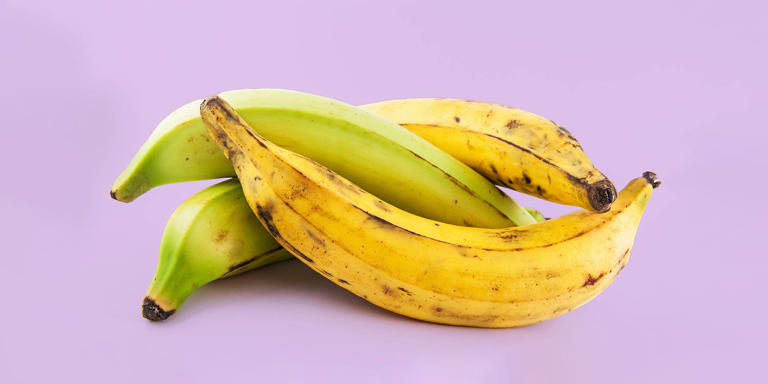
Are Plantains Healthy? Dietitian Discusses Carbs, Sugar and Other Nutrients


Story by Aryelle Siclait


anamejia18 / Getty Images

Unripe, plantains are savory and starchy, then, as they transition from green to yellow, speckled with dots, they soften into their sweetest and silkiest form. This healthy fruit is as dynamic as it is delicious.

While you might be inclined to shy away given their sugar content, you’d be missing out on a tasty nutrient boost that can enhance any dish, experts say.

“Plantains are a nutritious choice and a good way to boost intake of fiber, potassium and overall carbohydrates,” Erin Palinski-Wade, registered dietitian and author, tells TODAY.com. The natural sugars in them, which the body is designed to eat, are accompanied by loads of antioxidants and vitamins that’ll fortify you in more ways than one.

Often baked, boiled or fried, in any stage of ripeness, plantains are the starchy powerhouse capable of packing a savory, sweet, crunchy or supple punch. Discover their many benefits and why they’re always worth stocking in your pantry.

Saturday, October 19, 2019

Climate emergency: City mayors are 'world's first responders', says UN chief


World Bank/Franz Mahr
Lima, the capital of Peru, a South American megacity. (file)


11 October 2019
Climate Change


City bosses are “the world’s first responders to the climate emergency” UN chief António Guterres declared on Friday, at an international mayors’ summit in Copenhagen.

In his opening remarks to the C40 World Mayors Summit – a forum for member cities to present innovative actions to slow global warming – the Secretary-General noted that cities, which contain more than half the world’s population, and have an “enormous climate footprint”, are “on the frontlines of sustainable and inclusive development”.

Urban citizens, he continued, look to mayors to make cities havens for diversity, social cohesion and job creation.

Reminding delegates of the existential threat to humanity posed by the climate emergency, and the need to dramatically boost climate action at all levels, Mr. Guterres said that, at the UN Climate Action Summit in September, some 70 countries, and around 100 cities, announced plans to enhance their national plans to cut harmful emissions by 2020.

Saturday, April 21, 2018

Athletes say vegan diets help improve performance while benefiting environment


April 20, 2018; 10:18 AM


When most people think of veganism, they tend to think it is only for an animal rights activist or someone who is a bit of a hippie at heart. However, as vegan diets become more popular, many people, including athletes, are learning the health and environmental benefits.

Usually we associate athletes, football players and bodybuilders with diets consisting of a lot of meat and animal products to get protein. What most don't know, however, is that all protein originates from plants.

Cows get their protein from plants, then the cow, which is later turned into steak, is consumed for protein.

It all comes down to the fact that we can either feed the animals the food we could have eaten or we can eat that food directly, which saves resources and reduces emissions during production.

An assessment by the Food and Agriculture Organization of the United Nations indicated the contribution of the livestock sector to global greenhouse gas emissions exceeds that of transportation.

A recent report's results suggest that livestock methane emissions, while not the dominant overall source of global methane emissions, may be a major contributor to the observed annual emissions increases over the 2000s to 2010s.


Football players and other athletes are going vegan not only for health and recovery reasons, but for environmental reasons too.


Saturday, January 20, 2018

Fasting, Weight-loss, and Your Health


Ophelia Gherman, M.D.
January 18, 2018

What is intermittent fasting? Is it really good for you? If so, how does it work? Let's find out.


Dieting and weight loss are popular New Year’s Resolution for many. Most popular diets require caloric restrictions at mealtime, which can be difficult and frustrating. Among the many new diets that roll around each year, fasting, or periodic abstinence from food, has regained popularity in the health and fitness arena. Fasting has been practiced from antiquity and exists in various forms. Some well-known forms of fasting are voluntary abstinence from all foods for a period of time, while others involve voluntary abstinence from certain foods, such as animal products in The Daniel Fast. “A partial fast may be preferred to overcome an illness; a total fast may be used on other occasions”(A. Thrash).

Intermittent Fasting

Intermittent fasting gained quite a following in 2016 and 2017 and is defined as a long cycle of fasting and shorter period of non-fasting throughout the day. There are different versions but the idea is basically to choose 8-10 hours of the day in which to eat your meals, leaving the remaining 14-16 hours of the day for fasting. So why would someone choose this lifestyle and what are the health benefits?


Health Benefits

Among the many benefits of intermittent fasting, are weight loss, improved blood pressure, and glucose control. It serves as a multitasking tool that helps fight inflammation, improve digestion, and boost your longevity. In several studies, the practice of intermittent fasting helped decrease inflammatory numbers, c-reactive protein (CRP), tumor necrosis factor-alpha (TNF-α), adiponectin, leptin, brain-derived neurotrophic factor (BDNF) and IGF-1, all of which have a negative impact on our health. Therefore, through intermittent fasting that skips late-night meals, these inflammatory substances are no longer being produced.

Fasting also aids in the production of ghrelin, which suppresses inflammation and improves dopamine concentration in the brain. So high ghrelin produces an anti-depressant effect. Intermittent fasting also increases nerve cell production, improving growth in the hippocampus and reducing age-related atrophy and brain cell wasting.


How to begin

If you are at high risk of multiple diseases and uncontrolled weight or want to improve your longevity and quality of health, you may consider a healthy intermittent fasting diet plan for you. You can start by choosing two or three non-consecutive days to fast after 5 pm, thus allowing your gut and digestion to rest until 8 am the next day.


To avoid dehydration, water intake is crucial in all forms of fasting.

Some fasting fads suggest skipping breakfast, however, a study by researchers from Loma Linda University School of Public Health and the Institute for Clinical and Experimental Medicine in Prague, Czech Republic, showed that eating breakfast and not skipping it, and making it the biggest meal of the day, rather than lunch, had the most significant impact on weight loss. Additionally, numerous studies have shown that night time eating increases the inflammatory hormone insulin in our bodies, which leads to poor sleep quality, obesity, diabetes, cardiovascular disease, and cancer. This just confirms an ancient adage: "Eat breakfast like a king, lunch like a prince, and dinner like a pauper."

“The true fasting which should be recommended to all, is abstinence from every stimulating kind of food, and the proper use of wholesome, simple food, which God has provided in abundance. Men need to think less about what they shall eat and drink of temporal food, and much more in regard to the food from heaven, that will give tone and vitality to the whole religious experience. Now and onward till the close of time the people of God should …set aside days for fasting and prayer. Entire abstinence from food may not be required, but they should eat sparingly of the most simple food.”—Counsels on Diet, p 188


Saturday, January 13, 2018

5 Health Resolutions for 2018


Ophelia Gherman, M.D.

January 9, 2018

Do you have any health-related New Year's Resolutions this year? Here are 5 areas to work on and how you can implement these changes today.


As we enter a new year, we are presented with a fresh start and new chapter in our life. We should reflect on how we wish the new chapter of our life will read and reanalyze our commitments to God, our family, our community, and to ourselves. Most of us aspire for a purer and more profound experience, but many in our culture have given up on making New Year’s Resolutions for fear of feeling like a failure. Regardless of your past years' experiences, I believe it’s God’s will that we continue renewing and elevating our goals and aspirations each new year. “Shall we not, at the beginning of this new year, give ourselves and all we have to God? Shall we not listen to His voice, which calls us to a renewed contest, to a more thorough consecration of ourselves and our entrusted capabilities to His service?” (The Signs of the Times, January 2, 1901)


In light of making New Year’s Resolutions, let’s review some health principles that can help us in our pursuit of a healthy mind and body.


Sleep: We have heard that obtaining 7-8 hours of rest is vital to health and wholeness. Getting less or even more can be detrimental. Sleep cannot be replaced with any amount of exercise or nutrition and supplements. Melatonin is the hormone that drives our circadian rhythm and is responsible for restorative sleep. To improve your sleep, avoid eating 3-4 hours prior to bedtime, avoid utilizing your phone and other bright screens or light devices in bed, and set a comfortable temperature in your bedroom. If you have difficulty falling asleep, try adopting a bed-time routine for 3 weeks to re-train your body to relax and prepare for sleep. This routine may include taking a warm bath, listening to relaxing music, dimming the lights, or using an essential oil, such as lavender, and herbal teas such as chamomile tea.

More on sleep.

Nutrition: Let’s face it, eating provides a certain level of satisfaction. Sometimes, however, we eat because we seek “instant gratification.” A piece of candy, cake, or donut in the middle of the morning or late afternoon brings with it a sudden sugar rush, a perceived gush of energy and “euphoria”. To avoid the temptation for an unhealthy treat, pack your meals with nutritious plant-based protein, fats, fiber, and fruit-based sugars for long-lasting fuel. Additionally, try to avoid a large carbohydrate-heavy lunch or dinner, which can lead to indigestion, fatigue, and poor sleep. Incorporate at least 5 cups of vegetables per day, focusing on dark leafy greens as well as 2-3 cups of fruits per day for healthy sugar, fiber, and vitamins. Setting a schedule for meal times and planning and prepping for your weekly meals can help offset the chances of going through the drive-thru.

Learn how to eat healthy on a busy schedule here.

More on choosing the right food here.

Hydration: Water composes the majority of our body and is important for multiple reasons. It flushes and detoxifies our kidneys, liver, and intestines. It helps sustain blood volume, breathing, brain function, digestion, and joint mobility. Drinking 8 ounces of water can also curb your appetite, invigorate your energy and improve concentration. The recommended amount of water intake is between 2-3 liters daily. If you drink 1L or less per day, it’s best to increase your water intake slowly by adding 16 fluid ounces every few days. If you don’t like the taste of water, try adding herbs or lemon to make your taste buds happy.

Read more about hydrating your way to better health here.
Exercise: Moderate walking is a relaxing leisure activity, however, it does not engage your core muscles, or activate and challenge your heart. The goal of physical activity is to improve circulation, muscle tone, oxygenation, induce purification through sweating and so much more. There are many types of exercises to choose from depending on your age and physical and health condition. It’s best to start with a low-intensity exercise routine and increase the repetitions and intensity every two weeks. In order to avoid injuries and setbacks, it’s best to obtain proper exercise techniques that are right for you through the help of an exercise instructor, coach, physical therapist, or health provider.

Start with walking your way to better health today.

Sunshine: Sunlight offers many advantages to our health. It provides the power to generate Vitamin D in our body, it aids in the secretion of happy hormones in our brain and nervous system, it helps disinfect our skin and household surfaces, and offers warmth and light. In our busy schedule, making time to be in direct contact with the sun can be a challenge, but not impossible. In the coming year, reflect on how spending time in the sun and with the SON can improve your health and well-being.

So what are some of your New Year’s Resolutions? It may be to read the Bible through in a year; to have consistent personal and family devotions; doing acts of community service or beginning a special ministry; spending less time with media and entertainment and more time with family and church. Let’s also set healthy goals for the coming year and ask God for sustaining grace in the process of presenting our bodies as living sacrifices, holy and acceptable, which is our reasonable service during 2018 (Romans 12:1).


Sunday, December 24, 2017

Long-Term Health Comes Down To Two Main Habits, Says Researcher


Dec 23, 2017 @ 10:26 AM 19,760 The Little Black Book of Billionaire Secrets


Alice G. Walton , Contributor I cover health, medicine, psychology and neuroscience. Opinions expressed by Forbes Contributors are their own.


In the ongoing search for health and longevity, researchers have looked to parts of the world where people live the longest—the “blue zones,” which include Sardinia, Italy; Okinawa, Japan; Icaria, Greece; Loma Linda, California; and Nicoya Peninsula, Costa Rica. In these places people tend to live into their 90s or 100s pretty regularly. So researchers have studied their habits, and have taken away what seem to be the most effective lifestyle factors. And, as they should, they match up extremely well with what other types of scientific study have found about cellular health and longevity.


Shutterstock

Paraphrasing Dan Buettner's book The Blue Zones, Rafael Puyol, Director of the Observatory of Demography and Generational Diversity at IE Business School in Italy, points out that there are nine habits that researchers have found people of the "blue zones" habitually engage in. And you can actually whittle these down even further.

First, here are the big nine:

  • Engaging in regular exercise. These sub-populations are all extremely active
  • Eating a plant-based diet. E.g., the Mediterranean diet or traditional Asian diet
  • Drinking alcohol moderately. This matches what researchers have discovered about the effects of light-moderate alcohol intake and disease risk
  • “Hara hachi bu,” a Confucian concept, which suggests we should eat only until we hit 80% of our fullness capacity
  • Punctuating our days with a stress-reducing activity. Across the blue zones, this means different things: “taking a nap in Mediterranean societies, praying in the case of Adventists, the tea ceremony of women in Okinawa,” writes Puyol
  • Having a reason larger than oneself to get up in the morning -- the Japanese word that conveys this idea is “Ikigai”
  • Being a part of social groups that contribute to one’s healthy habits
  • Engaging in religious communities with common religious practices
  • Maintaining strong relationships with family members

You can probably see the punchline coming. These nine habits can actually be boiled down to just two: Keep a healthy body and keep a healthy mental life—in other words, a good lifestyle and “good practices,” as Puyol says. He writes that the lifestyle portion includes the first few points above, and “implies regular intensity exercise, including routines to ‘break’ from daily stress, and including mainly plant-based products in our diets, eating without filling up and not drinking excessively.”

The other, more cerebral tenet is all about devoting time to your mental, social, spiritual, and communal health. “[F]amily, religious communities, social groups, and so on – all of which must have their own 'ikigai,' that is, their own 'reason to live.' There is a personal 'ikigai,' but there is also a collective 'ikigai' that sets the goals for each community as well as the challenges to overcome in order to achieve them.”

The pursuit of health may not always be straightforward, but it’s a lot simpler than we sometimes think, given the bombardment of “new” health tips and tricks we get. It really just boils down to some simple habits, a surprising number of which are behavioral/psychological. You don’t have to be perfect, but doing what you can, whenever you can, may make a difference in the long-run.


Source

Wednesday, November 29, 2017

All You Need To Know About Plant Protein – Because It Builds Muscle The Same, If Not Better, Than Meat


November 28, 2017


Related CE Article: Plant Based Protein vs Protein From Meat. Which One Is Better For Your Body?


An often cited “fact” is that vegetarians and vegans will struggle to build muscle because they don’t have enough protein in their diet. Non meat eaters are often told that getting sufficient protein is impossible due to the relative lack of plant protein available. Of course this is not true at all; while it is undeniably more difficult to hit your protein targets when abstaining from meat, it is absolutely possible.

In this article we will be talking all things related to plant protein. We will explore the plant-based protein foods you can eat and the plant protein powders you can use to supplement your diet. But first we will take a look at the benefits of protein and how much protein you really should be consuming per day.


The Benefits of Protein

Why is protein such an important macro nutrient? Well it happens to be very useful for people trying to lose weight, maintain weight, or gain weight… which is basically everyone! It can increase your metabolism (due to it being hard to digest compared to carbohydrates and fats), preserve muscle while dieting, help contribute to weight loss, and aid muscle building. It also increases satiety (that feeling of being full after a meal), which helps people to avoid overeating.

Without protein, your body would not be able to maintain muscle mass. This might sound fine to some of you in theory, particularly anyone who “doesn’t want to get too bulky,” but if you desire a toned body, better overall fitness, or ease of movement in your old age, then you would want to avoid losing muscle.

For any vegan bodybuilders out there, protein is even more important. Without sufficient protein, you will never be able to build muscle. That’s because protein is essential for the repair and rebuilding of muscle fibres after a workout. There is a process called muscle protein synthesis, which uses dietary protein to build and repair muscles. If you don’t have sufficient protein, then your muscles will either stay the same or even lose size. 

Recommended Protein Intake

The amount of protein you can take per day is a long-debated issue, but suffice it to say that if you have no long term kidney problems, there is no upper limit to the amount that you can safely take. This doesn’t mean that you can eat 400g a day, it just means the range is quite large. A recent study found that natural bodybuilders benefit from anywhere between 2.3-3.1g of protein per kg of body weight. This doesn’t sound like much of a difference, but for a 100kg person, that could represent an 80g per day difference. Now, most people are not wannabe bodybuilders, so it would make sense to aim for the lower end of the scale. A target of between 1.5-2g per kg of body weight would be perfect. Let’s say you are 60kg; then your protein target would be between 90g and 120g per day.


Protein in Vegetarian & Vegan Diets

Most vegetarians and vegans do not hit their protein intake targets, but then, neither do meat eaters! It is one of the reasons why many people are overweight or not as strong as they should be. It’s hard to make generalizations about vegetarian or vegan diets because they can be so varied, but most protein tends to come from lentils, nuts, beans, or soy. Here are five of the best plant protein sources available:

· Tofu (10g of protein per 1/2 cup)
· Lentils (18g of protein per cup)
· Navy Beans (15g of protein per cup)
· Cashew Nuts (5g of protein per 1/4 cup raw nuts)
· Chia Seeds (4g of protein per 2 tbsp)

Of course, if you have been following a plant-based diet, then you are probably familiar with all five of these excellent protein sources. But what about plant protein powders? In the last few years, lots of vegan protein powders have become available, offering high quality, complete proteins coming from vegan-friendly sources.

Different Types of Plant Protein

There are a lot of plant-based protein powders out at the moment, and we are going to take a look at five of the best around. There’s soy protein, pea protein, hemp protein, rice protein, and pumpkin protein. We are going to be looking at isolate protein powders rather than concentrate, as these are superior (higher protein to calorie ratio).

  1. Soy Protein – Soy is a great source of protein, but tends to be quite high in fat and
    carbohydrates, meaning it can be quite difficult to increase protein without increasing everything else as well. Soy protein powder is made by isolating the protein and removing as much of the fat and carbs as possible. You end up with around 22g of protein per serving, with less than 1g of fat and around 2g of carbohydrates. Soy is often criticized in bodybuilding circles because some believe it increases estrogen in men, but if you are eating a diet high in cruciferous vegetables (broccoli, kale, sprouts, etc.), this should not be an issue.
  2. Pea Protein – A great alternative to whey protein, pea protein can contain up to 28g of protein per serving. It tends to work in a similar way to casein protein, being a slow digesting protein. This can increase satiety (feeling full after a meal) and is perfect for anyone on a diet.
  3. Hemp Protein – This form of protein comes from hemp seeds and is a very easily digested form of protein, similar to whey. Excellent for anyone who finds it difficult to digest certain foods, hemp protein powder is also high in fibre. Hemp protein tends to be a little lower in protein than soy or pea, with an average of 14-18g of protein per serving.
  4. Rice Protein – Rice protein powder comes from brown rice, and it is much higher in protein than help protein, managing to hit 24-30g of protein per serving.
  5. Pumpkin Seed Protein Powder – Probably the least known protein powder on this list, pumpkin protein is a really nice tasting and easily mixed protein powder. It has a wide range of benefits, and a decent protein to calorie ratio. It is around 63% protein, and is also high in fiber, vitamins, minerals, and fatty acids, too.


The Bottom Line

This article has given you five high protein plant-based foods, and five plant-based protein powders. Adding these to a calorie controlled diet will help you to lose weight, build muscle, or just maintain your size in a healthy and sustainable way. Good luck with getting lean and big and let us know if you had awesome results using plant-based protein!
Demmy is a fitness buff who believes in paying it forward by always aiming to inspire other towards achieving their own health and fitness goals.


Saturday, May 14, 2016

Food Combining Made Easy


Food Combining Made Easy


Streamed live on Oct 25, 2014

Food Combining Made Easy, by Dr. Jim Sharps
Fall Revival and Reformation Weekend
"In The Days of Lot: Finding Grace, Magnifying Mercy, Saving Lives"

.