Published Aug. 29, 2026, 9:00 a.m. ET
Mayor Zohran Mamdani’s wife Rama Duwaji is once again jetting off to Europe for a posh, Islamic- centered women’s retreat, The Post has learned.
Gotham’s controversial first lady will be resuming her role as the “artist-in-residence” with The Women Sanctuary for the third time this year when they host the “Journey through Islamic Calligraphy” retreat in Porto, Portugal.
The spiritual wellness gathering is set to take place in two sessions from Sept. 16-21 and 25-30, according to the group’s website.

New York City Mayor Zohran Mamdani is joined by his wife, First Lady Rama Duwaji, following a news conference at Gracie Mansion on Jan. 12.James Keivom
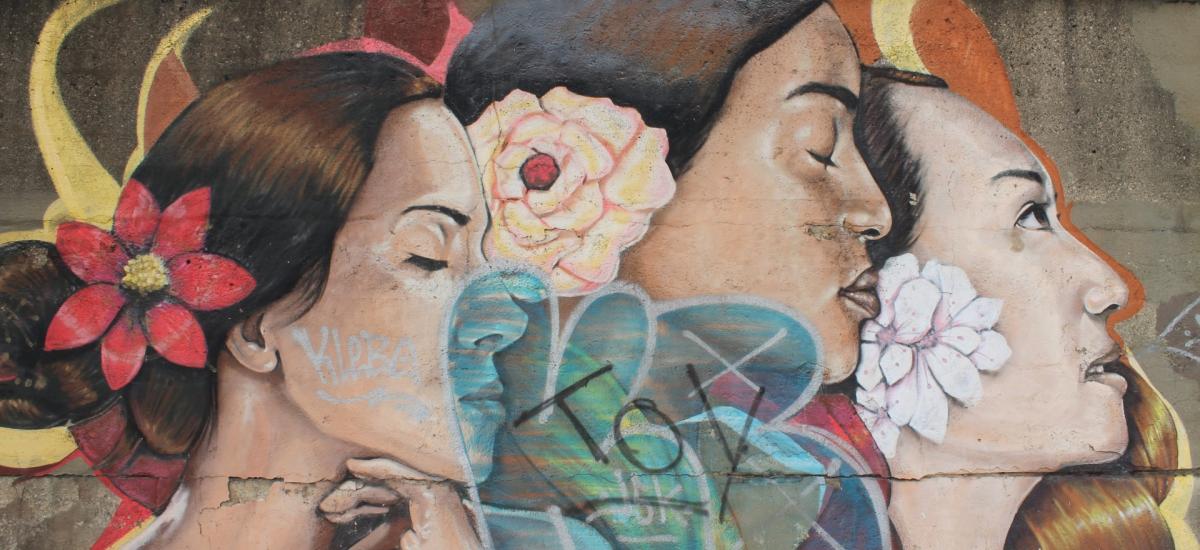
“Some days, we will explore the rich history of Islam in Portugal, uncovering the traces of a remarkable legacy still woven into the landscape. On others, we will gather for a marvelous illustration workshop with our artist-in-residence, Rama Duwaji, celebrating this heritage,” the retreat’s website says.
Other afternoons will be dedicated to picnics, poolside hangouts, walks and chats.
“We believe these unhurried moments are just as much a part of the retreat as the program itself; a space for suhbah, spiritual reflection, and presence, where hearts can soften, souls can be nourished, and remembrance can arise naturally amidst the beauty of creation,” The Women Sanctuary boasts.
The retreat, priced from $4,300 for a shared room to $5,260 for a private room with a private bathroom, will take place at the manor house in the tranquil countryside of Arcos de Valdevez.
“Surrounded by nature, the venue provides a truly restorative environment, featuring an exceptional heated outdoor pool, a heated indoor pool, and beautifully landscaped gardens,” says the Women Sanctuary website.
Critics scoffed at Duwaji’s latest high-flying jaunt.
“Some days, we will explore the rich history of Islam in Portugal, uncovering the traces of a remarkable legacy still woven into the landscape. On others, we will gather for a marvelous illustration workshop with our artist-in-residence, Rama Duwaji, celebrating this heritage,” the retreat’s website says.
Other afternoons will be dedicated to picnics, poolside hangouts, walks and chats.
“We believe these unhurried moments are just as much a part of the retreat as the program itself; a space for suhbah, spiritual reflection, and presence, where hearts can soften, souls can be nourished, and remembrance can arise naturally amidst the beauty of creation,” The Women Sanctuary boasts.
The retreat, priced from $4,300 for a shared room to $5,260 for a private room with a private bathroom, will take place at the manor house in the tranquil countryside of Arcos de Valdevez.
“Surrounded by nature, the venue provides a truly restorative environment, featuring an exceptional heated outdoor pool, a heated indoor pool, and beautifully landscaped gardens,” says the Women Sanctuary website.
Critics scoffed at Duwaji’s latest high-flying jaunt.