September 9, 2026
Michael Cookenmaster
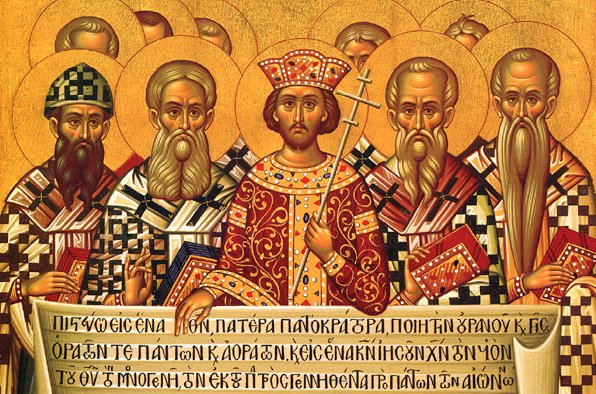
Jesus is coming soon, and the attacks on the Church are on the increase. The Christian faith stands or falls upon the authority of the Word of God. “Sanctify them through Thy truth: Thy word is truth” (John 17:17). Faithful Christians should therefore never treat the Bible as merely another ancient document to be reconstructed according to changing theories of scholars. We are dealing with the foundation of faith, doctrine, worship, and salvation.
This is why the rise of higher criticism and the modern critical-text movement deserves serious scrutiny. In particular, Christians should examine the textual theories associated with Brooke Foss Westcott and Fenton John Anthony Hort, whose 1881 Greek New Testament helped establish a radically different approach to the textual basis underlying all modern English translations.
The concern is not simply that newer translations use different English wording. The deeper issue is the Greek text upon which they are based and the assumptions used to reconstruct it. Westcott and Hort rejected the traditional dominance of the Received Text and elevated a comparatively small group of manuscripts, particularly Vaticanus and Sinaiticus, while developing theories of textual criticism that profoundly influenced subsequent generations.
This raises an important spiritual question: What influences shaped the manuscripts, textual traditions, and interpretive assumptions that have increasingly displaced the traditional Received Text?
Some conservative Christian scholars have raised concerns about similarities between certain readings in the Alexandrian textual tradition and theological tendencies associated with Gnosticism. Gnosticism radically distorts biblical teaching concerning Christ, His incarnation, His humanity, His divinity, and salvation. Christians should therefore be cautious whenever disputed readings diminish, qualify, or omit passages that have historically testified to foundational doctrines concerning the deity, incarnation, blood, and saving work of Jesus Christ.
There is another concern that deserves attention. Codex Vaticanus and Codex Sinaiticus, two manuscripts that have exercised enormous influence upon modern textual criticism, disagree with one another in more than 3,000 places in the Gospels. The extent of their differences should cause Christians to consider carefully why these manuscripts have been given such extraordinary weight in reconstructing the New Testament text.
There is also a prophetic concern. Many modern translations contain readings in Revelation that differ from the traditional wording in ways that can affect how readers understand the prophetic identification of religious powers. The Protestant Reformers and Seventh-day Adventists have historically understood the beast power of Revelation 13 and related passages as pointing to the papacy and its opposition to God's law and truth. When modern translations weaken, alter, footnote, or omit wording traditionally used in studying these prophecies, Adventists should take notice.
Jesus is coming soon, and the attacks on the Church are on the increase. The Christian faith stands or falls upon the authority of the Word of God. “Sanctify them through Thy truth: Thy word is truth” (John 17:17). Faithful Christians should therefore never treat the Bible as merely another ancient document to be reconstructed according to changing theories of scholars. We are dealing with the foundation of faith, doctrine, worship, and salvation.
This is why the rise of higher criticism and the modern critical-text movement deserves serious scrutiny. In particular, Christians should examine the textual theories associated with Brooke Foss Westcott and Fenton John Anthony Hort, whose 1881 Greek New Testament helped establish a radically different approach to the textual basis underlying all modern English translations.
The concern is not simply that newer translations use different English wording. The deeper issue is the Greek text upon which they are based and the assumptions used to reconstruct it. Westcott and Hort rejected the traditional dominance of the Received Text and elevated a comparatively small group of manuscripts, particularly Vaticanus and Sinaiticus, while developing theories of textual criticism that profoundly influenced subsequent generations.
This raises an important spiritual question: What influences shaped the manuscripts, textual traditions, and interpretive assumptions that have increasingly displaced the traditional Received Text?
Some conservative Christian scholars have raised concerns about similarities between certain readings in the Alexandrian textual tradition and theological tendencies associated with Gnosticism. Gnosticism radically distorts biblical teaching concerning Christ, His incarnation, His humanity, His divinity, and salvation. Christians should therefore be cautious whenever disputed readings diminish, qualify, or omit passages that have historically testified to foundational doctrines concerning the deity, incarnation, blood, and saving work of Jesus Christ.
There is another concern that deserves attention. Codex Vaticanus and Codex Sinaiticus, two manuscripts that have exercised enormous influence upon modern textual criticism, disagree with one another in more than 3,000 places in the Gospels. The extent of their differences should cause Christians to consider carefully why these manuscripts have been given such extraordinary weight in reconstructing the New Testament text.
There is also a prophetic concern. Many modern translations contain readings in Revelation that differ from the traditional wording in ways that can affect how readers understand the prophetic identification of religious powers. The Protestant Reformers and Seventh-day Adventists have historically understood the beast power of Revelation 13 and related passages as pointing to the papacy and its opposition to God's law and truth. When modern translations weaken, alter, footnote, or omit wording traditionally used in studying these prophecies, Adventists should take notice.


