
Showing posts with label Civil Rights. Show all posts
Showing posts with label Civil Rights. Show all posts
Thursday, May 28, 2026


Monday, May 18, 2026
Wednesday, March 25, 2026
Thursday, October 16, 2025
Vatican diplomat calls on UN to return to roots on human rights...
Vatican diplomat calls on UN to return to roots on human rights, avoid ideological colonization
October 15, 2025
» Continue to this story on Holy See Mission
CWN Editor's Note: Archbishop Gabriele Caccia, apostolic nuncio and Permanent Observer of the Holy See to the United Nations, called on the UN to seek “true reform” through return to its “foundational principles,” particularly a focus on respect for human rights.
“The roots of human rights are to be found in the God-given dignity that belongs to each human being,” Archbishop Caccia said in a statement for a recent UN meeting. “The State has the duty to promote and protect human rights, which are necessary conditions for human flourishing.”
The Holy See “notes that the interpretation of human rights has often been expanded beyond the scope of both law and consensus, with unintended ramifications,” the prelate added. “Consequently, the assertion of new concepts as rights can become an instrument of ideological colonization.”
Archbishop Caccia also said that the “Holy See insists on the central role of religious freedom, not because it ignores other freedoms, but because it is the litmus test for the respect of all other human rights and fundamental freedoms.”The above note supplements, highlights, or corrects details in the original source (link above). About CWN news coverage.
October 15, 2025
» Continue to this story on Holy See Mission
CWN Editor's Note: Archbishop Gabriele Caccia, apostolic nuncio and Permanent Observer of the Holy See to the United Nations, called on the UN to seek “true reform” through return to its “foundational principles,” particularly a focus on respect for human rights.
“The roots of human rights are to be found in the God-given dignity that belongs to each human being,” Archbishop Caccia said in a statement for a recent UN meeting. “The State has the duty to promote and protect human rights, which are necessary conditions for human flourishing.”
The Holy See “notes that the interpretation of human rights has often been expanded beyond the scope of both law and consensus, with unintended ramifications,” the prelate added. “Consequently, the assertion of new concepts as rights can become an instrument of ideological colonization.”
Archbishop Caccia also said that the “Holy See insists on the central role of religious freedom, not because it ignores other freedoms, but because it is the litmus test for the respect of all other human rights and fundamental freedoms.”The above note supplements, highlights, or corrects details in the original source (link above). About CWN news coverage.
Wednesday, September 03, 2025
Florida to end all vaccine mandates, surgeon general says

Gov. Ron DeSantis appoints Dr. Joseph Ladapo as the next surgeon general of Florida on Sept. 21, 2021. On Wednesday, Ladapo announced that the state intends to eliminate all vaccine mandates. (Governor’s Office photo/TNS)

By Steven Walker | swalker@orlandosentinel.com | Orlando Sentinel
UPDATED: September 3, 2025 at 2:04 PM EDT
Florida will work to end all vaccine mandates, state Surgeon General Joseph Ladapo announced Wednesday at a press conference with Gov. Ron DeSantis.
“Every last one of them is wrong and drips with disdain and slavery,” Ladapo said.
The announcement at a private Christian school in Hillsborough County was met with loud applause from the crowd.
Ladapo did not provide specifics but said Florida would be the first state in the nation to wipe out vaccine mandates.
Florida law requires students to be vaccinated against a variety of diseases — including chickenpox, measles, polio and tetanus — before enrolling in school. But compliance has dropped sharply in recent years with more parents using an easy-to-get religious exemption to avoid getting their children vaccinated. That drop has alarmed public health officials, who say vaccines have wiped out dangerous childhood diseases and saved lives.
Monday, February 19, 2024
Monday, September 18, 2023
Saturday, August 28, 2021
The No Religious Test Clause (ARTICLE VI of the U.S. Constitution)

COMMON INTERPRETATION
The No Religious Test Clause
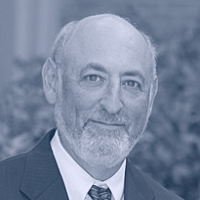
by Alan E. Brownstein
Professor of Law & the Boochever and Bird Chair for the Study and Teaching of Freedom and Equality at the University of California - Davis School of Law
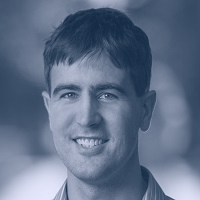
by Jud Campbell
Associate Professor of Law at the University of Richmond School of Law
After requiring all federal and state legislators and officers to swear or affirm to support the federal Constitution, Article VI specifies that “no religious Test shall ever be required as a Qualification to any Office or public Trust under the United States.” This prohibition, commonly known as the No Religious Test Clause, banned a longstanding form of religious discrimination practiced both in England and in the United States. In doing so, it provided a limited but enduring textual constitutional commitment to religious liberty and equality that has influenced the way Americans have understood the relationship between government and religion over the last two centuries.
In England, religious tests were used to “establish” the Church of England as an official national church. The Test Acts, in force from the 1660s until the 1820s, required all government officials to take an oath disclaiming the Catholic doctrine of transubstantiation and affirming the Church of England’s teachings about receiving the sacrament. These laws effectively excluded Catholics and members of dissenting Protestant sects from exercising political power. Religious tests were needed, William Blackstone explained, to protect the established church and the government “against perils from non-conformists of all denominations, infidels, turks, jews, heretics, papists, and sectaries.”
At the time the United States Constitution was adopted, religious qualifications for holding office also were pervasive throughout the states. Delaware’s constitution, for example, required government officials to “profess faith in God the Father, and in Jesus Christ His only Son, and in the Holy Ghost.” North Carolina barred anyone “who shall deny the being of God or the truth of the Protestant religion” from serving in the government. Unlike the rule in England, however, American religious tests did not limit office-holding to members of a particular established church. Every state allowed Protestants of all varieties to serve in government. Still, religious tests were designed to exclude certain people—often Catholics or non-Christians—from holding office based on their faith.
Today, nondiscrimination is an essential part of religious freedom, and it therefore may seem odd that the state laws and constitutions simultaneously imposed religious tests while also professing to protect religious liberty. Indeed, some critics, such as Thomas Jefferson, condemned religious tests as repugnant to freedom of conscience. But many Americans in the late 1700s and early 1800s apparently did not view religious tests and religious freedom as inherently contradictory. Some argued that religious tests did not violate freedom of religious conscience because no one had an obligation or entitlement to hold public office. Office-holding, in other words, was a privilege, not a right. Americans thus allowed minority religions to practice their faith while insisting that government power must be reserved for and could only be trusted to Protestants.
Notwithstanding this almost unanimous state consensus, the Framers of the federal Constitution prohibited religious tests for federal office-holding. It is not clear why they did so. There is little record of debate about this provision or discussion as to its merits at the constitutional convention. We do know that the ban on religious tests was controversial during the ratification debates, sometimes evoking passionate criticism of its inclusion in the Constitution. It was elementary to some opponents of the ban that “a person could not be a good man without being a good Christian.” Even as prominent a proponent of ratification as John Jay had demonstrated strong support for the use of religious tests within his own state.
Supporters of the Constitution defended the prohibition against test oaths as advancing religious freedom and protecting less politically powerful faiths against discrimination. They also argued that laws requiring religious tests were futile. Men without principles would easily evade the laws’ purpose through sham compliance while honest men who followed the dictates of their conscience would be barred from office. The difficult question was how these arguments could be reconciled with the widespread acceptance of religious tests throughout the states.
There is very little case law interpreting the No Religious Test Clause. The foundational ideas of religious liberty and equality, which are intrinsic to the rejection of religious tests, have been developed far more fully in cases interpreting the Free Exercise Clause and the Establishment Clause of the First Amendment. Thus, the Supreme Court has never held that the Clause applies to state as well as federal office-holding. In other words, unlike most parts of the Bill of Rights, the ban on religious tests has not been formally applied against the states (or “incorporated”) under the Fourteenth Amendment. But in Torcaso v. Watkins (1961), the Supreme Court unanimously held that religious tests for state office-holding violate the religion clauses of the First Amendment. “[N]either a State nor the Federal Government can constitutionally force a person ‘to profess a belief or disbelief in any religion,’” the Court declared. “[N]either can constitutionally pass laws or impose requirements which aid all religions as against non-believers, and neither can aid those religions based on a belief in the existence of God as against those religions founded on different beliefs.”
In a related case, McDaniel v. Paty (1978), the Supreme Court invoked the First Amendment to strike down state laws prohibiting clergy from holding office. Such a disqualification from holding office, the Court explained, unacceptably abridged religious liberty. Here again, the fact that these religion-related exclusions were adopted by many states both before and after the Constitution’s ratification did not persuade the Justices that such burdens on religious liberty were permissible.
As is true of virtually all constitutional provisions, the No Religious Test Clause in Article VI only restricts governmental action. Private citizens do not violate the Constitution if they vote against a political candidate because of his or her religion. A harder question, which has provoked considerable contemporary debate, is whether the Clause extends beyond a ban against oaths and prohibits government officials from taking the religious views of an individual into account in selecting or confirming that individual for a federal position—such as an appointment to the Supreme Court.
The No Religious Test Clause
by Alan E. Brownstein
Professor of Law & the Boochever and Bird Chair for the Study and Teaching of Freedom and Equality at the University of California - Davis School of Law
by Jud Campbell
Associate Professor of Law at the University of Richmond School of Law
After requiring all federal and state legislators and officers to swear or affirm to support the federal Constitution, Article VI specifies that “no religious Test shall ever be required as a Qualification to any Office or public Trust under the United States.” This prohibition, commonly known as the No Religious Test Clause, banned a longstanding form of religious discrimination practiced both in England and in the United States. In doing so, it provided a limited but enduring textual constitutional commitment to religious liberty and equality that has influenced the way Americans have understood the relationship between government and religion over the last two centuries.
In England, religious tests were used to “establish” the Church of England as an official national church. The Test Acts, in force from the 1660s until the 1820s, required all government officials to take an oath disclaiming the Catholic doctrine of transubstantiation and affirming the Church of England’s teachings about receiving the sacrament. These laws effectively excluded Catholics and members of dissenting Protestant sects from exercising political power. Religious tests were needed, William Blackstone explained, to protect the established church and the government “against perils from non-conformists of all denominations, infidels, turks, jews, heretics, papists, and sectaries.”
At the time the United States Constitution was adopted, religious qualifications for holding office also were pervasive throughout the states. Delaware’s constitution, for example, required government officials to “profess faith in God the Father, and in Jesus Christ His only Son, and in the Holy Ghost.” North Carolina barred anyone “who shall deny the being of God or the truth of the Protestant religion” from serving in the government. Unlike the rule in England, however, American religious tests did not limit office-holding to members of a particular established church. Every state allowed Protestants of all varieties to serve in government. Still, religious tests were designed to exclude certain people—often Catholics or non-Christians—from holding office based on their faith.
Today, nondiscrimination is an essential part of religious freedom, and it therefore may seem odd that the state laws and constitutions simultaneously imposed religious tests while also professing to protect religious liberty. Indeed, some critics, such as Thomas Jefferson, condemned religious tests as repugnant to freedom of conscience. But many Americans in the late 1700s and early 1800s apparently did not view religious tests and religious freedom as inherently contradictory. Some argued that religious tests did not violate freedom of religious conscience because no one had an obligation or entitlement to hold public office. Office-holding, in other words, was a privilege, not a right. Americans thus allowed minority religions to practice their faith while insisting that government power must be reserved for and could only be trusted to Protestants.
Notwithstanding this almost unanimous state consensus, the Framers of the federal Constitution prohibited religious tests for federal office-holding. It is not clear why they did so. There is little record of debate about this provision or discussion as to its merits at the constitutional convention. We do know that the ban on religious tests was controversial during the ratification debates, sometimes evoking passionate criticism of its inclusion in the Constitution. It was elementary to some opponents of the ban that “a person could not be a good man without being a good Christian.” Even as prominent a proponent of ratification as John Jay had demonstrated strong support for the use of religious tests within his own state.
Supporters of the Constitution defended the prohibition against test oaths as advancing religious freedom and protecting less politically powerful faiths against discrimination. They also argued that laws requiring religious tests were futile. Men without principles would easily evade the laws’ purpose through sham compliance while honest men who followed the dictates of their conscience would be barred from office. The difficult question was how these arguments could be reconciled with the widespread acceptance of religious tests throughout the states.
There is very little case law interpreting the No Religious Test Clause. The foundational ideas of religious liberty and equality, which are intrinsic to the rejection of religious tests, have been developed far more fully in cases interpreting the Free Exercise Clause and the Establishment Clause of the First Amendment. Thus, the Supreme Court has never held that the Clause applies to state as well as federal office-holding. In other words, unlike most parts of the Bill of Rights, the ban on religious tests has not been formally applied against the states (or “incorporated”) under the Fourteenth Amendment. But in Torcaso v. Watkins (1961), the Supreme Court unanimously held that religious tests for state office-holding violate the religion clauses of the First Amendment. “[N]either a State nor the Federal Government can constitutionally force a person ‘to profess a belief or disbelief in any religion,’” the Court declared. “[N]either can constitutionally pass laws or impose requirements which aid all religions as against non-believers, and neither can aid those religions based on a belief in the existence of God as against those religions founded on different beliefs.”
In a related case, McDaniel v. Paty (1978), the Supreme Court invoked the First Amendment to strike down state laws prohibiting clergy from holding office. Such a disqualification from holding office, the Court explained, unacceptably abridged religious liberty. Here again, the fact that these religion-related exclusions were adopted by many states both before and after the Constitution’s ratification did not persuade the Justices that such burdens on religious liberty were permissible.
As is true of virtually all constitutional provisions, the No Religious Test Clause in Article VI only restricts governmental action. Private citizens do not violate the Constitution if they vote against a political candidate because of his or her religion. A harder question, which has provoked considerable contemporary debate, is whether the Clause extends beyond a ban against oaths and prohibits government officials from taking the religious views of an individual into account in selecting or confirming that individual for a federal position—such as an appointment to the Supreme Court.
Monday, October 15, 2018
Migration, addressing its root causes while protecting migrants
RSS-Feed
LATEST PRESS RELEASES
Content:
Webnews, 09/10/2018
During the international conference on “Religious freedom and development cooperation to reduce the causes for migration” on 17 September 2018, COMECE stressed the primary right of every human person to live in dignity in his home country without being forced to move.

Participants debated the ways to address the root causes of migration through the European development cooperation, which, emphasised COMECE, “should neither be based on ideological approaches, nor instrumentalising peoples and countries but benefitting persons in all their aspects, including spiritual and moral welfare”.
COMECE also highlighted the importance of a greater access to education to enhance the human integral development of persons, families and peoples in their home countries.
Article 13.2 of the Universal Declaration of Human Rights recognises the right of everyone to leave any country, including his own. As stated by Pope Francis in his last message for the World Day of Migrants and Refugees, when people migrate, they should be welcomed, protected, promoted and integrated in a responsible manner, according to the hosting society’s capacity.
This message was conveyed by COMECE during the Seminar “Three years after the migration and security agendas - Where does the public sector stand?”, together with the principle that security should aim at protecting persons, families and communities including migrants and refugees.
COMECE also reaffirmed that the asylum legislation grants international protection in case of religious persecution as discussed in a recent joint COMECE-CEC meeting on religious conversion in asylum procedures. Migration current developments will be at the agenda of the next COMECE Working Group on Migration and Asylum next 22 November 2018.
Media
Photo Gallery
Photo: Reuters/Marko Djurica
LATEST PRESS RELEASES
Content:
Webnews, 09/10/2018
During the international conference on “Religious freedom and development cooperation to reduce the causes for migration” on 17 September 2018, COMECE stressed the primary right of every human person to live in dignity in his home country without being forced to move.
Participants debated the ways to address the root causes of migration through the European development cooperation, which, emphasised COMECE, “should neither be based on ideological approaches, nor instrumentalising peoples and countries but benefitting persons in all their aspects, including spiritual and moral welfare”.
COMECE also highlighted the importance of a greater access to education to enhance the human integral development of persons, families and peoples in their home countries.
Article 13.2 of the Universal Declaration of Human Rights recognises the right of everyone to leave any country, including his own. As stated by Pope Francis in his last message for the World Day of Migrants and Refugees, when people migrate, they should be welcomed, protected, promoted and integrated in a responsible manner, according to the hosting society’s capacity.
This message was conveyed by COMECE during the Seminar “Three years after the migration and security agendas - Where does the public sector stand?”, together with the principle that security should aim at protecting persons, families and communities including migrants and refugees.
COMECE also reaffirmed that the asylum legislation grants international protection in case of religious persecution as discussed in a recent joint COMECE-CEC meeting on religious conversion in asylum procedures. Migration current developments will be at the agenda of the next COMECE Working Group on Migration and Asylum next 22 November 2018.
Media
Photo Gallery
Photo: Reuters/Marko Djurica
Saturday, June 16, 2018
Canada’s top court rules against Christian law school: LGBT ‘rights’ trump religious freedom

Songquan Deng / Shutterstock.com
Fri Jun 15, 2018 - 10:30 am EST

Lianne Laurence
OTTAWA, June 15, 2018 (LifeSiteNews) – The Supreme Court of Canada ruled today that LGBT sexual equality "rights" trump religious rights in an unprecedented blow against religious freedom in Canada.
In a pair of 7-2 rulings (here and here), the court ruled that it was "proportionate and reasonable" for the law societies of British Columbia and Ontario to refuse accreditation to future Trinity Western University students because the proposed Christian law school’s "community covenant" would discriminate against LGBTQ people.
"In our respectful view, the [law societies] decision not to accredit Trinity Western University's proposed law school represents a proportionate balance between the limitation on the Charter right at issue and the statutory objectives the [law societies] sought to pursue," the ruling stated.
The ruling means that future grads from Trinity Western University's law school — if the school, in fact, opens — will not be able to practice law in Ontario and B.C.
TWU, a private Christian college associated with the Evangelical Free Church, requires students to sign a commitment to refrain from any sexual activity “that violates the sacredness of marriage between a man and a woman.”
OTTAWA, June 15, 2018 (LifeSiteNews) – The Supreme Court of Canada ruled today that LGBT sexual equality "rights" trump religious rights in an unprecedented blow against religious freedom in Canada.
In a pair of 7-2 rulings (here and here), the court ruled that it was "proportionate and reasonable" for the law societies of British Columbia and Ontario to refuse accreditation to future Trinity Western University students because the proposed Christian law school’s "community covenant" would discriminate against LGBTQ people.
"In our respectful view, the [law societies] decision not to accredit Trinity Western University's proposed law school represents a proportionate balance between the limitation on the Charter right at issue and the statutory objectives the [law societies] sought to pursue," the ruling stated.
The ruling means that future grads from Trinity Western University's law school — if the school, in fact, opens — will not be able to practice law in Ontario and B.C.
TWU, a private Christian college associated with the Evangelical Free Church, requires students to sign a commitment to refrain from any sexual activity “that violates the sacredness of marriage between a man and a woman.”
Saturday, April 21, 2018
Twin Cities School Bus Driver Removed after Leading Prayer

Photo: KSTP
Generic school bus
April 20, 2018 12:29 PM
A Twin Cities-area school bus driver says his rights to free speech and to practice his religion were violated when he was taken off his route for leading students in prayer.
The Star Tribune reports that Quality Care Transportation removed George Nathaniel from his route last week. He drove children to Nasha Shkola, a charter school focused on Russian language and culture.
Quality Care owner Muk Musa says school officials received complaints that Nathaniel was forcing minors to pray.
RELATED: Man Charged in Connection to Bus Driver Arrest
Nathaniel says he wants to turn people to Christianity, but he never forced students to pray.
Musa says Nathaniel isn't fired, but hasn't received a new route either.
Nathaniel was fired from driving Burnsville children four years ago for the same reason. He's also a pastor of a Minneapolis congregation.
Sunday, April 15, 2018
Big guns from both sides defend pastor in bogus jury-tampering case
WND EXCLUSIVE
Michigan's claims against man who distributed brochures called threat to 1st Amendment Published: 1 day ago
-
- Bob Unruh
- Bob Unruh joined WND in 2006 after nearly three decades with the Associated Press, as well as several Upper Midwest newspapers, where he covered everything from legislative battles and sports to tornadoes and homicidal survivalists. He is also a photographer whose scenic work has been used commercially.


The libertarian Cato Institute advocates for liberty, free markets and limited government.
The American Civil Liberties Union is mostly on the opposite side in political disputes.
However, the two organizations are joining forces in a case that could set a precedent regarding free speech in Michigan.
It’s about the state’s prosecution of former pastor Keith Wood for handing out brochures about jury rights on a public sidewalk in front of the Mecosta County courthouse in November 2015 in Big Rapids, Michigan.
Officials charged him with a misdemeanor and a felony. While the felony count was dismissed, he was convicted on the misdemeanor for exercising his First Amendment rights, and his case is before the state Court of Appeals.
“It is difficult to overstate the extent to which the decision below, upholding the conviction of Keith Eric Wood, strikes at the core of the First Amendment,” Cato wrote.
“Mr. Wood was arrested and convicted for engaging in classic political advocacy (peacefully distributing pamphlets) in the quintessential public forum (the sidewalk in front of a courthouse) on a matter of public concern more ancient than Magna Carta, and at the heart of Anglo-Saxon law (the rights, duties, and independence of citizen jurors). One can well imagine why an English monarch might wish to suppress efforts to inform potential jurors of their power to resist tyranny by refusing to convict fellow citizens who had incurred the sovereign’s enmity; what is – or should be – more surprising is American courts American sovereigns to suppress such speech on American soil.”
Cato pointed out it was solely because the subject of the pamphlets was jury work that he was convicted.
Thursday, January 18, 2018
White house to shield health workers who refuse services on moral grounds
January 18, 2018

(HealthDay)—Health workers who refuse to perform abortions or sex-change operations on religious or moral grounds will now get more protection from the Trump administration.
Any medical professional who feels his or her rights have been violated can file a complaint with the new conscience and religious freedom division of the office for civil rights at the U.S. Department of Health and Human Services, The New York Times reported Thursday.
The move, which comes one day before the annual March for Life in Washington, D.C., was a priority for anti-abortion groups, according to the Times.
Roger Severino, director of the new civil rights office, told the newspaper that he and his staff would investigate each and every complaint.
The federal government has typically ignored such complaints or treated them with "outright hostility" for years, Severino added.
While supporters of the new office welcomed it as a way to protect the religious rights of medical professionals, critics said the Trump administration is giving health workers a license to discriminate.
Some fear there will be doctors who deny fertility treatments to lesbian couples and pharmacists who refuse to fill prescriptions for certain types of contraceptives, the Times reported.
"Donald Trump's administration is handing out permission slips for hospitals and providers to deny individuals, including women and LGBT patients, access to a full range of health services including lifesaving emergency care," Dawn Huckelbridge, director of the Women's Rights Initiative at American Bridge, told the newspaper.
HHS Acting Secretary Eric Hargan said during a media briefing that the new initiative simply follows an executive order issued last year by President Trump, who said that people of faith would no longer be bullied or silenced.
Conservative groups applauded the move.
"For more than 40 years, federal law has protected the conscience rights of all Americans in the context of health care," the Heritage Foundation said in a statement. "These protections have allowed for a diversity of values in health care and ensured that individuals can work and live according to their moral and religious beliefs.
"This new HHS division will help ensure that health care professionals enjoy the same rights they have had for decades—to not face coercion or discriminatory actions if they decide not to participate in certain procedures because of moral or religious objections."
Tuesday, July 12, 2016
Full Transcript of President Obama's Speech at Dallas Police Memorial
By Noah Fitzgerel
More from Noah
Jul 12, 2016, 5:05 PM ET
Star
Mandel Ngan/AFP/Getty ImagesWATCH Obama Says US 'Not as Divided as We Seem' at Dallas Memorial
President Obama delivered a speech today in Dallas mourning the death of the five police officers killed in action while protecting peaceful protests in the city.
The remarks came days after the shooting in Dallas, where police said a gunman was targeting whites, and the deaths of two black men during police-involved shootings -- events that have left the nation on edge.
Here's a transcript of President Obama's remarks from the White House:
THE PRESIDENT: Mr. President and Mrs. Bush; my friend, the Vice President, and Dr. Biden; Mayor Rawlings; Chief Spiller; clergy; members of Congress; Chief Brown -- I’m so glad I met Michelle first, because she loves Stevie Wonder -- (laughter and applause) -- but most of all, to the families and friends and colleagues and fellow officers:
Scripture tells us that in our sufferings there is glory, because we know that suffering produces perseverance; perseverance, character; and character, hope. Sometimes the truths of these words are hard to see. Right now, those words test us. Because the people of Dallas, people across the country, are suffering.
We’re here to honor the memory, and mourn the loss, of five fellow Americans -- to grieve with their loved ones, to support this community, to pray for the wounded, and to try and find some meaning amidst our sorrow.
For the men and women who protect and serve the people of Dallas, last Thursday began like any other day. Like most Americans each day, you get up, probably have too quick a breakfast, kiss your family goodbye, and you head to work. But your work, and the work of police officers across the country, is like no other. For the moment you put on that uniform, you have answered a call that at any moment, even in the briefest interaction, may put your life in harm’s way.
Tuesday, May 24, 2016
FAITH LEADERS: COMPARING HB2 WITH CIVIL RIGHTS MOVEMENT 'OFFENSIVE'
HB2

Faith leaders talk about HB2 at a news conference in Raleigh.
Updated 1 hr 46 mins ago
Updated 1 hr 46 mins ago
RALEIGH (WTVD) --A group of African American pastors and faith leaders is taking aim at the Attorney General over comments she made about transgender rights.
The criticism centers on the directive issued by the Obama administration to allow transgender students to use the bathroom matching their gender identity.
Community leaders representing the North Carolina Values Coalition held a news conference at the state capital Tuesday to discuss Attorney General Loretta Lynch's comparison of transgender bathroom rights to the Civil Rights Movement - a comparison they called "offensive and false".
Watch: Faith leaders address HB2

"The language of 'civil rights' shouldn't be hijacked to give privileges to the politically vocal while taking away freedoms from people disfavored by government. The Administration is threatening people of diverse backgrounds-if they do not promote ideas and participate in events that align with their extremist agenda, they will pull opportunity, funding, and the right to privacy," said Bishop Dr. Patrick Wooden, Senior Pastor and Bishop, Upper Room Church of God in Christ in Raleigh.
"HB2 is right, is right all day. It's the President that is wrong," offered Jimmy H. Bention, Sr., Pastor, Metrolina Christian Center Church Of God In Christ in Monroe, NC.
Under House Bill 2, transgender people must use the bathroom that corresponds with their birth certificates, not their gender identity. The law was designed to block a Charlotte non-discrimination ordinance, part of which allowed transgender people to use bathrooms and locker rooms of the gender they identify with. The law also excludes lesbian, gay, bisexual and transgender people from anti-discrimination protections and blocks municipalities from adopting their own anti-discrimination and living wage rules.
North Carolina and the Justice Department are battling the issue in opposing lawsuits.
When announcing the federal government's lawsuit, Attorney General Lynch, a Durham native, said HB2 is in opposition to federal laws prohibiting discrimination on the basis of sex and gender identity.
"This is not the first time that we have seen discriminatory responses to historic moments of progress for our nation. We saw it in the Jim Crow laws that followed the Emancipation Proclamation," she said in part. "We saw it in fierce and widespread resistance to Brown v. Board of Education."
"Recently, U.S. Attorney General Loretta Lynch compared HB2 to Jim Crow. Jim Crow laws were put into place to keep an entire race positioned as second-class citizens. HB2 simply says that men and women should use the restroom of their biological sex in government buildings and schools. This comparison is highly offensive and utterly disrespectful to those families and individuals who have shed blood and lost lives to advance the cause of civil rights," said Clarence Henderson, a civil rights leader who participated in the Woolworth Sit-In in Greensboro in 1960.
But Henderson's opinion isn't unanimous amongst civil rights activists. The North Carolina NAACP has been vocal in its opposition to House Bill 2.
"It's a hate bill full of racist and class-based and homophobic legislation," offered NC NAACP President Rev. William Barber at a news conference in April.
Taking questions during an unrelated event in Fayetteville Tuesday, Attorney General Lynch said she respects the pastor's opinions, but disagrees.
"While the Civil Rights Movement, certainly in this state focused on racial discrimination, civil rights and human rights are not limited to any one particular issue or even one particular group of people. Where there are people who feel victimized and are indeed victimized and made to feel vulnerable simply because of a physical characteristic over which they have no control - that is exactly what the civil rights laws are meant to cover," said Lynch.
.
Tuesday, January 05, 2016
GUN WARS THE FORCE RETAKEN
Posted on January 5, 2016
by Ron Patton
in Articles


GUN WARS THE FORCE RETAKEN
I woke early this morning to the wall-to-wall coverage of the presidential hard sell to the American people that changes to the gun laws and zeroing in on the mentally ill will somehow reduce the risks of gun crimes, terror, and lone nut shooting incidents which become such political footballs, it fuels the speculation that most if not all of these incidents look like false flag events.
A teary-eyed President Obama announced plans to expand background checks and make other changes to America’s gun rules. Once again, Obama used the dreaded pen and phone to use executive action, which of course circumvents Congress and once again fuels allegations of executive overreach.
While most of what he said sounded like the whaa whaa whap sounds heard from parents in a Charlie Brown cartoon, there was a part of his speech that stood out for me because it centered around constitutional rights and how we have somehow accepted over time the idea of surrendering rights for safety.
Obama stated:
What he fails to point out is the reason we are paying this price for living in a so-called civilized society is that we have been fed a diet of fear and thus we see a constitution with conditions that go from reasonable to complete negation of civil liberties.
Obama seems to feel that the people will allow for the weakening of things like the second amendment in order to feel some sort of renewed sense of security.
President Obama wants us to believe that we take comfort in hearing the same worn out and tired tropes of how all of these provisions have somehow prevented “who knows” how many terror attacks.
The “who knows” remark can be a vague form of negative logic, for those who are awake but for the police state it is a doublespeak euphemism for a consensus mind numbing where the people can assume that all of their so-called foiled plots are reasons for constitutional tinkering.
I don’t want reduce the various American tragedies to mere statistics – but they are very telling of how afraid we have become and how we now accept government overreach as a way of life.
There have been only 38 Americans that have been killed on American soil by radicalized Islamic terrorism since 9/11.
While that is 38 too many, it is a drop in the bucket compared to those killed in car accidents or those that have died as result of intestinal illnesses brought on by eating in restaurants.
The National Safety Council reports that more than 6,000 Americans die a year from falls; most of them involve people falling off their roof or ladder trying to clean their gutters, put up Christmas lights and the like. That means you’re 353 times more likely to fall to your death doing something idiotic than die in a terrorist attack or even these first person shooter events.
I know that it is hard to persuade a constantly re-frightened American public that the constitution should not be weakened because of gun crimes and terrorism, but the facts are very telling of how easy it has been for the Obama Administration to mislead us on the idea that we need more surveillance and strict gun laws to prevent terrorism and mass shootings.
At the centerpiece of Obama’s plan is a more sweeping definition of gun dealers that the administration hopes will expand the number of gun sales subject to background checks. At gun shows, websites and flea markets, sellers often skirt that requirement by declining to register as licensed dealers, but officials said new federal guidance would clarify that it applies to anyone “in the business” of selling firearms.

Almost all of our homegrown lone gunmen and terrorist shooters trend on Google and their notoriety is pushed through the newsfeeds of Facebook to the point that everyone is under the impression we are breeding trigger-happy unstable miscreants in need of control.
The Obama Administration has now finalized a rule that enables health care providers to report the names of mentally ill patients to an FBI firearms background check system.
While no one wants an unstable person with a gun, the definition of someone who is “mentally ill’ is so broad and expansive. Most of us probably assume a mentally ill person is a violent person. However, a mentally ill person can also be someone overcome by post traumatic stress disorder or one who suffers from high anxiety or one who is depressed. Why should these people who show no indication of intent to harm others be discriminated against and lose their right to own a firearm?
America falsely believes the easy scapegoat is the so-called terrorists, the mentally ill or perhaps even violent T.V. or video games, but the reality is that most of these horrible events are coming from within the political and military complex and are somehow slipping by the national security infrastructure that we have been told is there to protect us from such events.
In fact, if you look at the track record, since all of these so-called safeguards have been employed, we have seen an increase in these “tragic” and “senseless” events and thus, we have become trapped in an unsafe environment.
Regardless of what you are hearing, it is becoming more apparent that these shootings are less random and are actively being planned in order to traumatize us into thinking the state can only protect us with their militarized police forces and our own guns and self-defense skills can’t neutralize an active shooter.

Human sustainability far outweighs the political sphere of influence and yet the political discussions go on incessantly in a country that seems to fixate its tiresome national dialogue about our lack of leadership, our need for more national security and the right to defend one’s own family and property.
The Second Amendment argument should not even be argued. There should be no infringement on the right to bear arms and yet it’s now an issue up for debate, all because of a number of “senseless acts.” Do we not see these shooting incidents as expedient for gun control agendas being proposed by the few and not by the majority who know safety of property and family is a priority in times of crisis?
The most devastating truth facing us in the event of national crisis is that urban areas are the most unsafe places on the planet and the convenience we cherish will become our undoing as the aftermath of a crisis inevitably leads to civil unrest and the armed populace that is constitutional becomes the armed horde who can be your enemy in the face of all resource depletion.
We know now that 2016 is the year designated for “full spectrum” operations, as requiring the military to prepare for internal campaigns against radicalized American citizens.
There will be if necessary, “full spectrum operations in the coming two decades according to the US Army Training and Doctrine Command, The Army Operating Concept 2016 – 2028, TRADOC Pamphlet 525-3-1, dated 19 August 2010.
With this document we learn that the plan for the United States in a major crisis is not for anyone’s benefit but for the continuity of government.
Police and military units are training to deal specifically with urban uprisings and civil unrest because emergency services planners understand that America’s metropolitan death zones, which is military speak for major cities, will be completely devoid of law & order.
These agencies are already planning on the American people to turn into gun toting outlaws if there happens to be a government decapitation, meaning that if a crisis is so dire that the government can’t function, the country will be divided into regions and governed like military territories.
The Obama Administration has demonstrated with all of its political doublespeak that the entire national security infrastructure he defends and lies about has done nothing to insure the safety of the American people.
It is also important to note that no campaigns for disarming Americans or even weakening of the second amendments for stricter background checks will make us any safer in scenarios of national crisis.
All of the lame arguments we are having now for political reasons will amount to nothing but affluent in a future for America that seems to be evolving into a repressive despotism with a militarized foothold that with the help of Executive Orders, will create a battlefield in our backyard.
While the warnings of police state are dismissed by those who have not been in one, it is evident what we are seeing transpire, from deadly force in the open market place, to riots and civil unrest are pretext to a turn in the evolution of how law enforcement restrains the populace and secures the peace.
It must be reiterated that the evolution of the country’s views on social issues are right in your face and if you are not paying attention, you may find yourself in a world more foreign and hostile than you can imagine.
Obama says to all of us that his new gun policies do not infringe on second amendment rights, but we need to understand it does begin the weakening process of the rights of the citizens to bear arms and avoid government entanglements.
We know that the agenda of government is to disarm America, and surprisingly, you may want to wait and realize that the next administration and the administration after that will conduct the gradual process of dismantling the constitution in order to pave the way for a new globalist treaty that we know will be enforced by the year 2030, if not before then.
If we disarm the people or make it harder to obtain a firearm, there will be limited resistance to a hostile takeover of a sophisticated tyrannical criminal element that uses organized crime to sustain their full spectrum control of everything we do.
We all know that in a war or in a crisis, it is a good strategy to disarm your enemies.

Source
by Ron Patton
in Articles
GUN WARS THE FORCE RETAKEN
I woke early this morning to the wall-to-wall coverage of the presidential hard sell to the American people that changes to the gun laws and zeroing in on the mentally ill will somehow reduce the risks of gun crimes, terror, and lone nut shooting incidents which become such political footballs, it fuels the speculation that most if not all of these incidents look like false flag events.
A teary-eyed President Obama announced plans to expand background checks and make other changes to America’s gun rules. Once again, Obama used the dreaded pen and phone to use executive action, which of course circumvents Congress and once again fuels allegations of executive overreach.
While most of what he said sounded like the whaa whaa whap sounds heard from parents in a Charlie Brown cartoon, there was a part of his speech that stood out for me because it centered around constitutional rights and how we have somehow accepted over time the idea of surrendering rights for safety.
Obama stated:
“We all believe in the First Amendment, the guarantee of free speech, but we accept that you can’t yell “fire” in a theater. We understand there are some constraints on our freedom in order to protect innocent people. We cherish our right to privacy, but we accept that you have to go through metal detectors before being allowed to board a plane. It’s not because people like doing that, but we understand that that’s part of the price of living in a civilized society.”
What he fails to point out is the reason we are paying this price for living in a so-called civilized society is that we have been fed a diet of fear and thus we see a constitution with conditions that go from reasonable to complete negation of civil liberties.
Obama seems to feel that the people will allow for the weakening of things like the second amendment in order to feel some sort of renewed sense of security.
President Obama wants us to believe that we take comfort in hearing the same worn out and tired tropes of how all of these provisions have somehow prevented “who knows” how many terror attacks.
The “who knows” remark can be a vague form of negative logic, for those who are awake but for the police state it is a doublespeak euphemism for a consensus mind numbing where the people can assume that all of their so-called foiled plots are reasons for constitutional tinkering.
I don’t want reduce the various American tragedies to mere statistics – but they are very telling of how afraid we have become and how we now accept government overreach as a way of life.
There have been only 38 Americans that have been killed on American soil by radicalized Islamic terrorism since 9/11.
While that is 38 too many, it is a drop in the bucket compared to those killed in car accidents or those that have died as result of intestinal illnesses brought on by eating in restaurants.
The National Safety Council reports that more than 6,000 Americans die a year from falls; most of them involve people falling off their roof or ladder trying to clean their gutters, put up Christmas lights and the like. That means you’re 353 times more likely to fall to your death doing something idiotic than die in a terrorist attack or even these first person shooter events.
I know that it is hard to persuade a constantly re-frightened American public that the constitution should not be weakened because of gun crimes and terrorism, but the facts are very telling of how easy it has been for the Obama Administration to mislead us on the idea that we need more surveillance and strict gun laws to prevent terrorism and mass shootings.
At the centerpiece of Obama’s plan is a more sweeping definition of gun dealers that the administration hopes will expand the number of gun sales subject to background checks. At gun shows, websites and flea markets, sellers often skirt that requirement by declining to register as licensed dealers, but officials said new federal guidance would clarify that it applies to anyone “in the business” of selling firearms.
Almost all of our homegrown lone gunmen and terrorist shooters trend on Google and their notoriety is pushed through the newsfeeds of Facebook to the point that everyone is under the impression we are breeding trigger-happy unstable miscreants in need of control.
The Obama Administration has now finalized a rule that enables health care providers to report the names of mentally ill patients to an FBI firearms background check system.
While no one wants an unstable person with a gun, the definition of someone who is “mentally ill’ is so broad and expansive. Most of us probably assume a mentally ill person is a violent person. However, a mentally ill person can also be someone overcome by post traumatic stress disorder or one who suffers from high anxiety or one who is depressed. Why should these people who show no indication of intent to harm others be discriminated against and lose their right to own a firearm?
America falsely believes the easy scapegoat is the so-called terrorists, the mentally ill or perhaps even violent T.V. or video games, but the reality is that most of these horrible events are coming from within the political and military complex and are somehow slipping by the national security infrastructure that we have been told is there to protect us from such events.
In fact, if you look at the track record, since all of these so-called safeguards have been employed, we have seen an increase in these “tragic” and “senseless” events and thus, we have become trapped in an unsafe environment.
Regardless of what you are hearing, it is becoming more apparent that these shootings are less random and are actively being planned in order to traumatize us into thinking the state can only protect us with their militarized police forces and our own guns and self-defense skills can’t neutralize an active shooter.
Human sustainability far outweighs the political sphere of influence and yet the political discussions go on incessantly in a country that seems to fixate its tiresome national dialogue about our lack of leadership, our need for more national security and the right to defend one’s own family and property.
The Second Amendment argument should not even be argued. There should be no infringement on the right to bear arms and yet it’s now an issue up for debate, all because of a number of “senseless acts.” Do we not see these shooting incidents as expedient for gun control agendas being proposed by the few and not by the majority who know safety of property and family is a priority in times of crisis?
The most devastating truth facing us in the event of national crisis is that urban areas are the most unsafe places on the planet and the convenience we cherish will become our undoing as the aftermath of a crisis inevitably leads to civil unrest and the armed populace that is constitutional becomes the armed horde who can be your enemy in the face of all resource depletion.
We know now that 2016 is the year designated for “full spectrum” operations, as requiring the military to prepare for internal campaigns against radicalized American citizens.
There will be if necessary, “full spectrum operations in the coming two decades according to the US Army Training and Doctrine Command, The Army Operating Concept 2016 – 2028, TRADOC Pamphlet 525-3-1, dated 19 August 2010.
With this document we learn that the plan for the United States in a major crisis is not for anyone’s benefit but for the continuity of government.
Police and military units are training to deal specifically with urban uprisings and civil unrest because emergency services planners understand that America’s metropolitan death zones, which is military speak for major cities, will be completely devoid of law & order.
These agencies are already planning on the American people to turn into gun toting outlaws if there happens to be a government decapitation, meaning that if a crisis is so dire that the government can’t function, the country will be divided into regions and governed like military territories.
The Obama Administration has demonstrated with all of its political doublespeak that the entire national security infrastructure he defends and lies about has done nothing to insure the safety of the American people.
It is also important to note that no campaigns for disarming Americans or even weakening of the second amendments for stricter background checks will make us any safer in scenarios of national crisis.
All of the lame arguments we are having now for political reasons will amount to nothing but affluent in a future for America that seems to be evolving into a repressive despotism with a militarized foothold that with the help of Executive Orders, will create a battlefield in our backyard.
While the warnings of police state are dismissed by those who have not been in one, it is evident what we are seeing transpire, from deadly force in the open market place, to riots and civil unrest are pretext to a turn in the evolution of how law enforcement restrains the populace and secures the peace.
It must be reiterated that the evolution of the country’s views on social issues are right in your face and if you are not paying attention, you may find yourself in a world more foreign and hostile than you can imagine.
Obama says to all of us that his new gun policies do not infringe on second amendment rights, but we need to understand it does begin the weakening process of the rights of the citizens to bear arms and avoid government entanglements.
We know that the agenda of government is to disarm America, and surprisingly, you may want to wait and realize that the next administration and the administration after that will conduct the gradual process of dismantling the constitution in order to pave the way for a new globalist treaty that we know will be enforced by the year 2030, if not before then.
If we disarm the people or make it harder to obtain a firearm, there will be limited resistance to a hostile takeover of a sophisticated tyrannical criminal element that uses organized crime to sustain their full spectrum control of everything we do.
We all know that in a war or in a crisis, it is a good strategy to disarm your enemies.
Source
/
.
Tuesday, December 15, 2015
Ben Carson Accuses Muslim Civil Rights Group of Having Ties to Terror
by SHAQUILLE BREWSTER
Ahead of Tuesday's Republican presidential debate, Dr. Ben Carson called for the State Department to "fully investigate" the Council of America-Islamic Relations (CAIR) "as an offshoot of the Muslim Brotherhood and a supporter of terrorism."
Carson listed the investigation in his "Seven Steps for a Safer America." Among the steps, Carson also called for Congress to formally declare war on ISIS, the United States to lead a regional coalition against the group, and for moderate Arab nations to establish a "refugee Safe zone" in Syria.
Asked to explain the new position against a group the campaign says it has reached out to in the past, Communications Director Doug Watts claimed that CAIR supports Hamas in public comments, refused to condemn Osama Bin Laden immediately after the 9/11 attacks, and has made "proclamations of desire to turn the U.S. into a country that is governed by Sharia law."
"CAIR is listed by both Egypt and UAE on their terrorist watch lists," Watts told NBC News. "Dr. Carson is calling for an investigation, and in America's present circumstances with the jihadists' threats, we see an investigation of CAIR as prudent and necessary."
A spokesperson from CAIR, a national organization that advocates for Muslim civil liberties, dismissed Carson's call as a play for attention.
"Ben Carson is a failing candidate grasping at straws and seeking payback for CAIR's previous criticism of his anti-Muslim bigotry," Communications Director Ibrahim Hooper to NBC News in statement. "He found that Islamophobia gave him a boost in the past, so he is trying it again."
Carson has come under fire for past comments about Muslims. On NBC's Meet the Press earlier this year, Carson said he would not advocate for "that we put a Muslim in charge of this nation." He later said that he could support a Muslim for president if he or she "renounced the central (tenet) of Islam: Sharia Law."
Since a quick rise to top of several early primary state and national polls, Dr. Carson has lost significant support as the Republican presidential debate shifts to a national security and foreign policy focus. A recent ABC News/ Washington Post poll shows Carson dropping fourth place with 12 percent. The same poll had him at 22 percent in November.
.
Tuesday, May 19, 2015
The Establishment Clause

~0~
The Establishment Clause
What Does the First Amendment's Establishment Clause Really Mean?

An American penny, worth one cent. All U.S. currency bears the motto "IN GOD WE TRUST.". Photo: Copyright (c) 2006 Trish Parisy. Licensed under Creative Commons.

Tom Head
Civil Liberties Expert
The First Amendment to the U.S. Constitution begins with the phrase "Congress shall make no law respecting an establishment of religion..." This phrase is referred to as the establishment clause. Although Europe had been torn apart by religious conflict for almost the entirety of recorded history, the establishment clause was most likely motivated by hostility towards, and suspicion of, the Church of England.
Until 1784, there was no Anglican or Episcopal bishop in the United States. This meant that any priest belonging to the Anglican tradition--which was the official state religion in the Virginia, Georgia, and Carolina colonies--had been ordained in London and served at the pleasure of English bishops loyal to the Crown. By the time the American Revolution came about, Anglican priests were understandably held in high suspicion and the framers of the Constitution were reticent to create anything resembling an official Church of England in the United States. This popular sentiment made it easy to ratify the establishment clause. But what did individual framers believe? There was considerable variation. Some framers, such as Thomas Jefferson and revolutionary pamphleteer Thomas Paine, were rational deists who felt that the absolute freedom of conscience would invariably be threatened by any government endorsement of religion. In an 1802 letter to the Danbury Baptist Association, then-president Jefferson wrote:
What Does the First Amendment's Establishment Clause Really Mean?
An American penny, worth one cent. All U.S. currency bears the motto "IN GOD WE TRUST.". Photo: Copyright (c) 2006 Trish Parisy. Licensed under Creative Commons.
Tom Head
Civil Liberties Expert
The First Amendment to the U.S. Constitution begins with the phrase "Congress shall make no law respecting an establishment of religion..." This phrase is referred to as the establishment clause. Although Europe had been torn apart by religious conflict for almost the entirety of recorded history, the establishment clause was most likely motivated by hostility towards, and suspicion of, the Church of England.
Until 1784, there was no Anglican or Episcopal bishop in the United States. This meant that any priest belonging to the Anglican tradition--which was the official state religion in the Virginia, Georgia, and Carolina colonies--had been ordained in London and served at the pleasure of English bishops loyal to the Crown. By the time the American Revolution came about, Anglican priests were understandably held in high suspicion and the framers of the Constitution were reticent to create anything resembling an official Church of England in the United States. This popular sentiment made it easy to ratify the establishment clause. But what did individual framers believe? There was considerable variation. Some framers, such as Thomas Jefferson and revolutionary pamphleteer Thomas Paine, were rational deists who felt that the absolute freedom of conscience would invariably be threatened by any government endorsement of religion. In an 1802 letter to the Danbury Baptist Association, then-president Jefferson wrote:
Believing with you that religion is a matter which lies solely between Man and his God, that he owes account to none other for his faith or his worship, that the legitimate powers of government reach actions only, and not opinions, I contemplate with sovereign reverence that act of the whole American people which declared that their legislature should "make no law respecting an establishment of religion, or prohibiting the free exercise thereof," thus building a wall of separation between Church and State.
The phrase "wall of separation between Church and State" continues to define the popular meaning of the establishment clause. From a judiciary standpoint, however, there are actually three popular intepretations of the clause's meaning:
- separationism, which holds that the establishment clause prevents any government endorsement or support of religious establishments. Examples of those holding this view include House Speaker Nancy Pelosi as well as Justice Stephen Breyer, Justice Ruth Bader Ginsburg, and Justice David Souter of the U.S. Supreme Court.
- accommodationism, which holds that the government may support or endorse religious establishments as long as it treats all religions equally and does not show preferential treatment. This view is held by President George W. Bush and former President Bill Clinton, as well as Justice Anthony Kennedy and Justice Antonin Scalia of the U.S. Supreme Court.
- preferentialism or Christian dominionism, which holds that the establishment clause only prevents a literal Church of America from being created and does not prevent the government from explicitly endorsing Christianity. This uncommon view is held by the Rev. Pat Robertson and former Alabama Supreme Court Justice Roy Moore, and there is evidence that Justice Clarence Thomas of the U.S. Supreme Court may believe that the preferentialist interpretation of the establishment clause applies to state law. This is due more to his narrow interpretation of the incorporation doctrine than to his interpretation of the establishment clause itself, which is probably accommodationist.
During most of the 20th century, the Supreme Court held primarily to a separationist interpretation of the establishment clause. Recent Supreme Court decisions indicate that there may be a gradual shift to a mild accommodationist position in the coming years with respect to private school vouchers, federal funding for faith-based charities, and symbolic or historical affirmations of religious heritage (such as "under God" in the Pledge of Allegiance, or "in God we trust" on currency).
.
Wednesday, February 04, 2015
No separation between church and state on climate change

By Charles Battig
Pope Francis’s recent pronouncements on climate change and his forthcoming papal encyclical on the environment are taking the Church into scientific matters reminiscent of Pope Urban VIII and Galileo some four centuries ago. Galileo had been brought before the Roman Inquisition under the auspices of Pope Paul V for advocating heliocentrism and defending Copernicus’s theory. Some within the Church considered such teachings heretical and contrary to Holy Scripture and belief. In accepting the verdict of the Church and the Inquisition, Galileo agreed to refrain from future teachings supporting heliocentric theory. However, truth will out, and Galileo subsequently managed to offend formerly supportive Pope Urban VIII, a Jesuit, and members of the Jesuit Order, by publishing another defense of heliocentrism. The resulting dust-up is history. Voltaire enshrined the inherent dangers in dealing with authority with his observation: “It is dangerous to be right in matters on which the established authorities are wrong.”
The parallels to Pope Francis’s expressed ideas on environment and climate change are notable. The pope is also a Jesuit. He is taking sides in the arena of scientific debate by making dogmatic statements on a topic of controversy without matching validated scientific evidence. For example: “On climate change, there is a clear, definitive and ineluctable ethical imperative to act[.] … The establishment of an international climate change treaty is a grave ethical and moral responsibility”
(Pope’s Message to UN Convention on Climate Change, December 11, 2014).
The Environmental Protection Agency (EPA) can be viewed as a modern-day stand-in for the Roman Inquisition on all topics environmental. EPA administrator Gina McCarthy visited the Vatican recently to discuss climate change. EPA officials said, “McCarthy used the meeting to applaud the pope’s efforts to fight climate change, and to brief the Vatican on Obama’s plan for cutting greenhouse gas emissions that are driving global warming.”
The vigor with which both the Church and the EPA have linked their common belief and dogmatic position that mankind is the prime driver of climate change should concern those staunch defenders of the doctrine of “separation of church and state.” Challengers to either authority ought have Voltaire’s admonition in mind.
Charles G. Battig, M.D., Piedmont Chapter president, VA-Scientists and Engineers for Energy and Environment (VA-SEEE). His website is www.climateis.com.
Pope Francis’s recent pronouncements on climate change and his forthcoming papal encyclical on the environment are taking the Church into scientific matters reminiscent of Pope Urban VIII and Galileo some four centuries ago. Galileo had been brought before the Roman Inquisition under the auspices of Pope Paul V for advocating heliocentrism and defending Copernicus’s theory. Some within the Church considered such teachings heretical and contrary to Holy Scripture and belief. In accepting the verdict of the Church and the Inquisition, Galileo agreed to refrain from future teachings supporting heliocentric theory. However, truth will out, and Galileo subsequently managed to offend formerly supportive Pope Urban VIII, a Jesuit, and members of the Jesuit Order, by publishing another defense of heliocentrism. The resulting dust-up is history. Voltaire enshrined the inherent dangers in dealing with authority with his observation: “It is dangerous to be right in matters on which the established authorities are wrong.”
The parallels to Pope Francis’s expressed ideas on environment and climate change are notable. The pope is also a Jesuit. He is taking sides in the arena of scientific debate by making dogmatic statements on a topic of controversy without matching validated scientific evidence. For example: “On climate change, there is a clear, definitive and ineluctable ethical imperative to act[.] … The establishment of an international climate change treaty is a grave ethical and moral responsibility” (Pope’s Message to UN Convention on Climate Change, December 11, 2014).
The Environmental Protection Agency (EPA) can be viewed as a modern-day stand-in for the Roman Inquisition on all topics environmental. EPA administrator Gina McCarthy visited the Vatican recently to discuss climate change. EPA officials said, “McCarthy used the meeting to applaud the pope’s efforts to fight climate change, and to brief the Vatican on Obama’s plan for cutting greenhouse gas emissions that are driving global warming.”
The vigor with which both the Church and the EPA have linked their common belief and dogmatic position that mankind is the prime driver of climate change should concern those staunch defenders of the doctrine of “separation of church and state.” Challengers to either authority ought have Voltaire’s admonition in mind.
Charles G. Battig, M.D., Piedmont Chapter president, VA-Scientists and Engineers for Energy and Environment (VA-SEEE). His website is www.climateis.com.
The Environmental Protection Agency (EPA) can be viewed as a modern-day stand-in for the Roman Inquisition on all topics environmental. EPA administrator Gina McCarthy visited the Vatican recently to discuss climate change. EPA officials said, “McCarthy used the meeting to applaud the pope’s efforts to fight climate change, and to brief the Vatican on Obama’s plan for cutting greenhouse gas emissions that are driving global warming.”
The vigor with which both the Church and the EPA have linked their common belief and dogmatic position that mankind is the prime driver of climate change should concern those staunch defenders of the doctrine of “separation of church and state.” Challengers to either authority ought have Voltaire’s admonition in mind.
Charles G. Battig, M.D., Piedmont Chapter president, VA-Scientists and Engineers for Energy and Environment (VA-SEEE). His website is www.climateis.com.
Pope Francis’s recent pronouncements on climate change and his forthcoming papal encyclical on the environment are taking the Church into scientific matters reminiscent of Pope Urban VIII and Galileo some four centuries ago. Galileo had been brought before the Roman Inquisition under the auspices of Pope Paul V for advocating heliocentrism and defending Copernicus’s theory. Some within the Church considered such teachings heretical and contrary to Holy Scripture and belief. In accepting the verdict of the Church and the Inquisition, Galileo agreed to refrain from future teachings supporting heliocentric theory. However, truth will out, and Galileo subsequently managed to offend formerly supportive Pope Urban VIII, a Jesuit, and members of the Jesuit Order, by publishing another defense of heliocentrism. The resulting dust-up is history. Voltaire enshrined the inherent dangers in dealing with authority with his observation: “It is dangerous to be right in matters on which the established authorities are wrong.”
The parallels to Pope Francis’s expressed ideas on environment and climate change are notable. The pope is also a Jesuit. He is taking sides in the arena of scientific debate by making dogmatic statements on a topic of controversy without matching validated scientific evidence. For example: “On climate change, there is a clear, definitive and ineluctable ethical imperative to act[.] … The establishment of an international climate change treaty is a grave ethical and moral responsibility” (Pope’s Message to UN Convention on Climate Change, December 11, 2014).
The Environmental Protection Agency (EPA) can be viewed as a modern-day stand-in for the Roman Inquisition on all topics environmental. EPA administrator Gina McCarthy visited the Vatican recently to discuss climate change. EPA officials said, “McCarthy used the meeting to applaud the pope’s efforts to fight climate change, and to brief the Vatican on Obama’s plan for cutting greenhouse gas emissions that are driving global warming.”
The vigor with which both the Church and the EPA have linked their common belief and dogmatic position that mankind is the prime driver of climate change should concern those staunch defenders of the doctrine of “separation of church and state.” Challengers to either authority ought have Voltaire’s admonition in mind.
Charles G. Battig, M.D., Piedmont Chapter president, VA-Scientists and Engineers for Energy and Environment (VA-SEEE). His website is www.climateis.com.
.
Wednesday, July 02, 2014
Privacy and Civil Liberties Oversight Board Releases Report on Section 702 Surveillance (Full Text)

Photo (Courtesy) http://www.hldataprotection.com/files/2014/03/panelists.jpg {http://www.hldataprotection.com/2014/03/articles/news-events/hogan-lovells-participates-in-the-privacy-and-civil-liberties-oversight-board-hearing-on-section-702-of-the-foreign-intelligence-surveillance-act/}

By Ryan Goodman
Wednesday, July 2, 2014 at 8:04 AM
On Tuesday evening, the Privacy and Civil Liberties Oversight Board (PCLOB)—an independent body within the Executive Branch—released a major report concerning the National Security Agency’s electronic surveillance program under section 702 of the Foreign Act Surveillance Act. (The full text of the report entitled, “Report on the Surveillance Program Operated Pursuant to Section 702 of the Foreign Intelligence Surveillance Act,” is available here).
The report, released at 9pm EST on Tuesday night, is labeled a “pre-release copy of the report,” which the Board wanted to make “available for members of the press and public to preview the Board’s findings and recommendations.” The report will become official after the Board formally votes on it on Wednesday morning, according to an announcement on the organization’s website.
[For earlier coverage at Just Security on the section 702 program, see here.]
The Executive Summary of the Report contains a section on “Legal Analysis,” a section on “Policy Analysis,” and 10 specific recommendations. Those sections of the Executive Summary are excerpted in full below.
I. Overview of the Report
…
B. Legal Analysis
The Board’s legal analysis of the Section 702 program includes an evaluation of whether it comports with the terms of the statute, an evaluation of the Fourth Amendment issues raised by the program, and a discussion of the treatment of non-U.S. persons under the program.
In reviewing the program’s compliance with the text of Section 702, the Board has assessed the operation of the program overall and has separately evaluated PRISM and upstream collection. On the whole, the text of Section 702 provides the public with transparency into the legal framework for collection, and it publicly outlines the basic structure of the program. The Board concludes that PRISM collection is clearly authorized by the statute and that, with respect to the “about” collection, which occurs in the upstream component of the program, the statute can permissibly be interpreted as allowing such collection as it is currently implemented.
The Board also concludes that the core of the Section 702 program — acquiring the communications of specifically targeted foreign persons who are located outside the United States, upon a belief that those persons are likely to communicate foreign intelligence, using specific communications identifiers, subject to FISA court–approved targeting rules and multiple layers of oversight — fits within the “totality of the circumstances” standard for reasonableness under the Fourth Amendment, as that standard has been defined by the courts to date. Outside of this fundamental core, certain aspects of the Section 702 program push the program close to the line of constitutional reasonableness. Such aspects include the unknown and potentially large scope of the incidental collection of U.S. persons’ communications, the use of “about” collection to acquire Internet communications that are neither to nor from the target of surveillance, and the use of queries to search for the communications of specific U.S. persons within the information that has been collected. With these concerns in mind, this Report offers a set of policy proposals designed to push the program more comfortably into the sphere of reasonableness, ensuring that the program remains tied to its constitutionally legitimate core.
Finally, the Board discusses the fact that privacy is a human right that has been recognized in the International Covenant on Civil and Political Rights (“ICCPR”), an international treaty ratified by the U.S. Senate, and that the treatment of non-U.S. persons in U.S. surveillance programs raises important but difficult legal and policy questions. Many of the generally applicable protections that already exist under U.S. surveillance laws apply to U.S. and non-U.S. persons alike. The President’s recent initiative under Presidential Policy Directive 28 on Signals Intelligence (“PPD-28”) will further address the extent to which non-U.S. persons should be afforded the same protections as U.S. persons under U.S. surveillance laws.Because PPD-28 invites the PCLOB to be involved in its implementation, the Board has concluded that it can make its most productive contribution in assessing these issues in the context of the PPD-28 review process.
C. Policy Analysis
The Section 702 program has enabled the government to acquire a greater range of foreign intelligence than it otherwise would have been able to obtain — and to do so quickly and effectively. Compared with the “traditional” FISA process under Title I of the statute, Section 702 imposes significantly fewer limits on the government when it targets foreigners located abroad, permitting greater flexibility and a dramatic increase in the number of people who can realistically be targeted. The program has proven valuable in the government’s efforts to combat terrorism as well as in other areas of foreign intelligence. Presently, over a quarter of the NSA’s reports concerning international terrorism include information based in whole or in part on Section 702 collection, and this percentage has increased every year since the statute was enacted. Monitoring terrorist networks under Section 702 has enabled the government to learn how they operate, and to understand their priorities, strategies, and tactics. In addition, the program has led the government to identify previously unknown individuals who are involved in international terrorism, and it has played a key role in discovering and disrupting specific terrorist plots aimed at the United States and other countries.
The basic structure of the Section 702 program appropriately focuses on targeting non-U.S. persons reasonably believed to be located abroad. Yet communications of, or concerning, U.S. persons can be collected under Section 702, and certain features of the program implicate privacy concerns. These features include the potential scope of U.S. person communications that are collected, the acquisition of “about” communications, and the use of queries that employ U.S. person identifiers.
The Board’s analysis of these features of the program leads to certain policy recommendations.
The government is presently unable to assess the scope of the incidental collection of U.S. person information under the program. For this reason, the Board recommends several measures that together may provide insight about the extent to which communications involving U.S. persons or people located in the United States are being acquired and utilized.
With regard to the NSA’s acquisition of “about” communications, the Board concludes that the practice is largely an inevitable byproduct of the government’s efforts to comprehensively acquire communications that are sent to or from its targets. Because of the manner in which the NSA conducts upstream collection, and the limits of its current technology, the NSA cannot completely eliminate “about” communications from its collection without also eliminating a significant portion of the “to/from” communications that it seeks. The Board includes a recommendation to better assess “about” collection and a recommendation to ensure that upstream collection as a whole does not unnecessarily collect domestic communications.
The Report also assesses the impact of queries using “United States person identifiers.” At the NSA, for example, these queries can be performed if they are deemed “reasonably likely to return foreign intelligence information.” No showing of suspicion that the U.S. person is engaged in any form of wrongdoing is required, but procedures are in place to prevent queries being conducted for improper purposes. The Board includes two recommendations to address the rules regarding U.S. person queries.
Overall, the Board finds that the protections contained in the Section 702 minimization procedures are reasonably designed and implemented to ward against the exploitation of information acquired under the program for illegitimate purposes. The Board has seen no trace of any such illegitimate activity associated with the program, or any attempt to intentionally circumvent legal limits. But the applicable rules potentially allow a great deal of private information about U.S. persons to be acquired by the government. The Board therefore offers a series of policy recommendations to ensure that the program appropriately balances national security with privacy and civil liberties.
II. Recommendations
A. Targeting and Tasking
Recommendation 1: The NSA’s targeting procedures should be revised to (a) specify criteria for determining the expected foreign intelligence value of a particular target, and (b) require a written explanation of the basis for that determination sufficient to demonstrate that the targeting of each selector is likely to return foreign intelligence information relevant to the subject of one of the certifications approved by the FISA court. The NSA should implement these revised targeting procedures through revised guidance and training for analysts, specifying the criteria for the foreign intelligence determination and the kind of written explanation needed to support it. We expect that the FISA court’s review of these targeting procedures in the course of the court’s periodic review of Section 702 certifications will include an assessment of whether the revised procedures provide adequate guidance to ensure that targeting decisions are reasonably designed to acquire foreign intelligence information relevant to the subject of one of the certifications approved by the FISA court. Upon revision of the NSA’s targeting procedures, internal agency reviews, as well as compliance audits performed by the ODNI and DOJ, should include an assessment of compliance with the foreign intelligence purpose requirement comparable to the review currently conducted of compliance with the requirement that targets are reasonably believed to be non-U.S. persons located outside the United States.
B. U.S. Person Queries
Recommendation 2: The FBI’s minimization procedures should be updated to more clearly reflect the actual practice for conducting U.S. person queries, including the frequency with which Section 702 data may be searched when making routine queries as part of FBI assessments and investigations. Further, some additional limits should be placed on the FBI’s use and dissemination of Section 702 data in connection with non–foreign intelligence criminal matters.
Recommendation 3: The NSA and CIA minimization procedures should permit the agencies to query collected Section 702 data for foreign intelligence purposes using U.S. person identifiers only if the query is based upon a statement of facts showing that it is reasonably likely to return foreign intelligence information as defined in FISA. The NSA and CIA should develop written guidance for agents and analysts as to what information and documentation is needed to meet this standard, including specific examples.
C. FISA Court Role
Recommendation 4: To assist in the FISA court’s consideration of the government’s periodic Section 702 certification applications, the government should submit with those applications a random sample of tasking sheets and a random sample of the NSA’s and CIA’s U.S. person query terms, with supporting documentation. The sample size and methodology should be approved by the FISA court.
Recommendation 5: As part of the periodic certification process, the government should incorporate into its submission to the FISA court the rules for operation of the Section 702 program that have not already been included in certification orders by the FISA court, and that at present are contained in separate orders and opinions, affidavits, compliance and other letters, hearing transcripts, and mandatory reports filed by the government. To the extent that the FISA court agrees that these rules govern the operation of the Section 702 program, the FISA court should expressly incorporate them into its order approving Section 702 certifications.
D. Upstream and “About” Collection
Recommendation 6: To build on current efforts to filter upstream communications to avoid collection of purely domestic communications, the NSA and DOJ, in consultation with affected telecommunications service providers, and as appropriate, with independent experts, should periodically assess whether filtering techniques applied in upstream collection utilize the best technology consistent with program needs to ensure government acquisition of only communications that are authorized for collection and prevent the inadvertent collection of domestic communications.
Recommendation 7: The NSA periodically should review the types of communications acquired through “about” collection under Section 702, and study the extent to which it would be technically feasible to limit, as appropriate, the types of “about” collection.
E. Accountability and Transparency
Recommendation 8: To the maximum extent consistent with national security, the government should create and release, with minimal redactions, declassified versions of the FBI’s and CIA’s Section 702 minimization procedures, as well as the NSA’s current minimization procedures.
Recommendation 9: The government should implement five measures to provide insight about the extent to which the NSA acquires and utilizes the communications involving U.S. persons and people located in the United States under the Section 702 program. Specifically, the NSA should implement processes to annually count the following: (1) the number of telephone communications acquired in which one caller is located in the United States; (2) the number of Internet communications acquired through upstream collection that originate or terminate in the United States; (3) the number of communications of or concerning U.S. persons that the NSA positively identifies as such in the routine course of its work; (4) the number of queries performed that employ U.S. person identifiers, specifically distinguishing the number of such queries that include names, titles, or other identifiers potentially associated with individuals; and (5) the number of instances in which the NSA disseminates non-public information about U.S. persons, specifically distinguishing disseminations that includes names, titles, or other identifiers potentially associated with individuals. These figures should be reported to Congress in the NSA Director’s annual report and should be released publicly to the extent consistent with national security.
F. Efficacy
Recommendation 10: The government should develop a comprehensive methodology for assessing the efficacy and relative value of counterterrorism programs
Source
.
Subscribe to:
Posts (Atom)