A powerful weather system is spreading multiple hazards across the U.S., including 70–80 mph winds, heavy snow in the northern states, and dangerous fire weather conditions across the Plains.
Mar 14, 2026 6:35 AM EDT
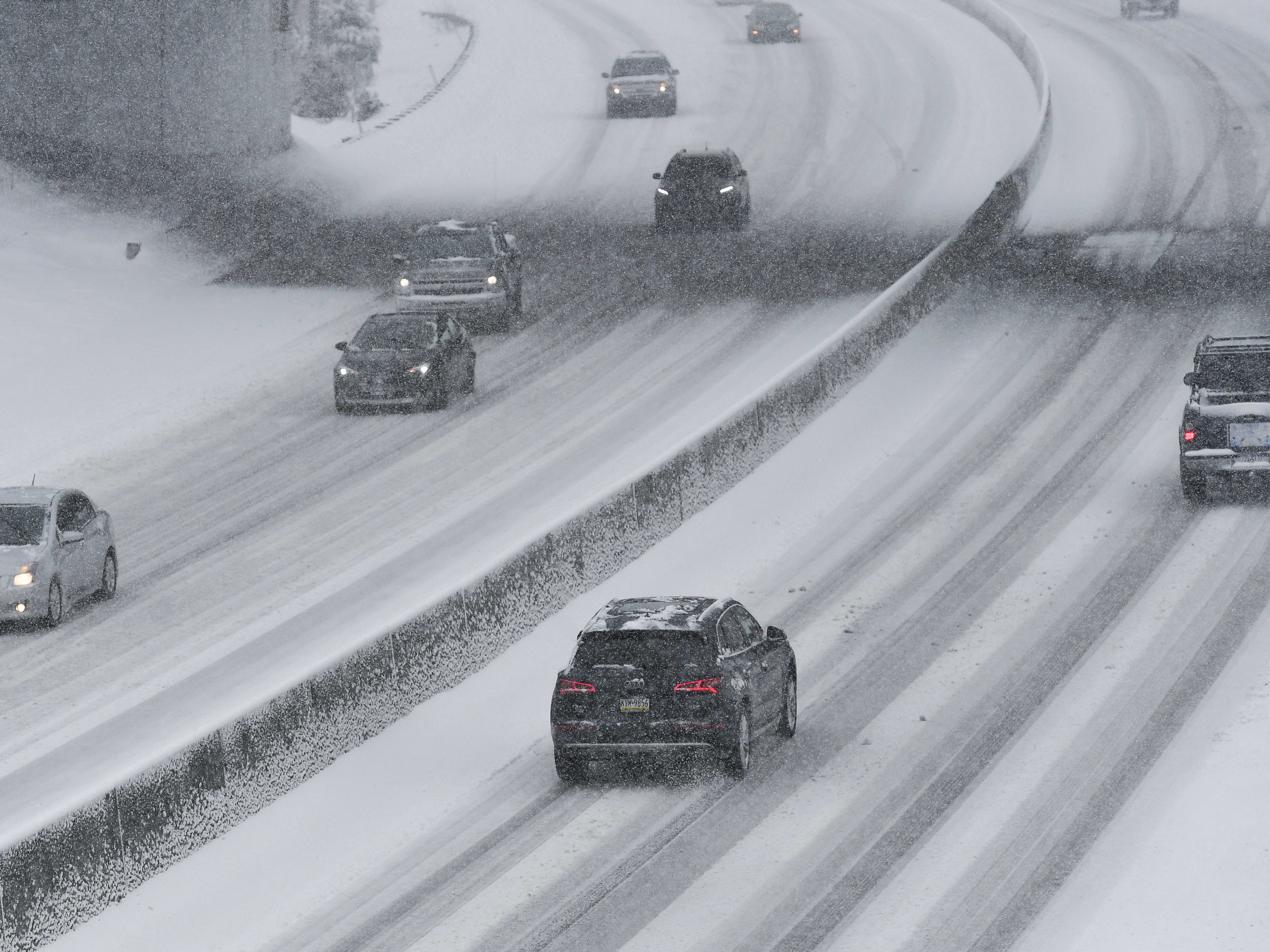
Cars drive on snow covered road Getty Images

By Adam Lynton
Managing Editor, Autoblog
Drivers across several parts of the United States could face dramatically different weather hazards over the weekend and into next week as a powerful weather pattern pushes across the country.
Forecasters say a fast-moving storm system is expected to bring strong winds and heavy snow across the northern tier, while dangerous fire weather conditions develop across the Plains and unusually warm temperatures build across parts of the western U.S.
According to the National Weather Service’s Weather Prediction Center forecast discussion, an intensifying clipper-type system is expected to sweep from the northern Plains into the Upper Midwest and Great Lakes, bringing heavy snow and potentially damaging winds.
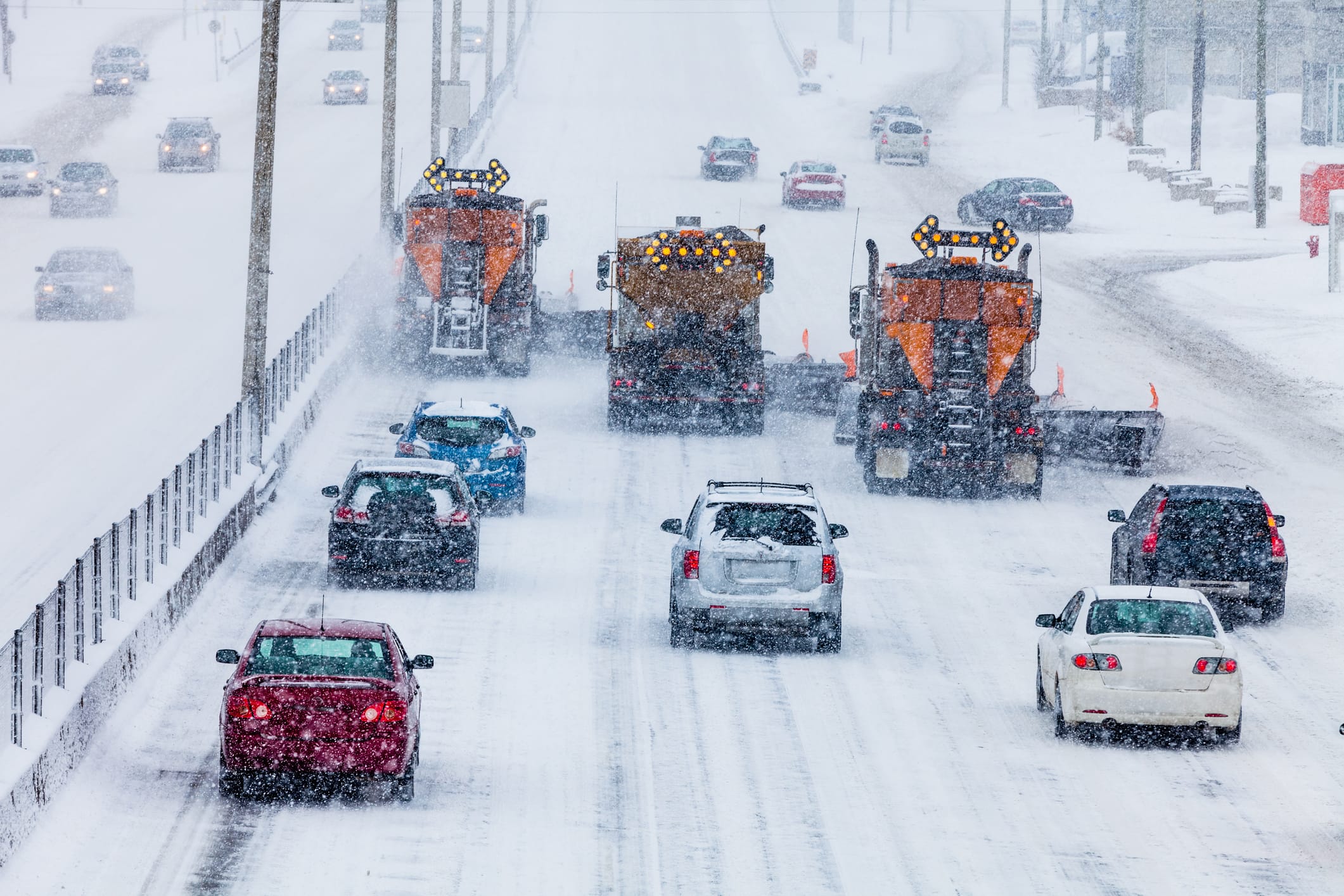
Snowplows removing snow on highway
Getty Images
Getty Images
Heavy Snow and Blizzard Conditions Possible in the Upper Midwest
The approaching system is forecast to produce a broad band of snowfall stretching from the northern Plains into the Upper Midwest and Great Lakes. Meteorologists say snowfall totals of 6 to 12 inches or more are possible in parts of the region, with the heaviest accumulations expected across portions of the Upper Great Lakes.
Strong winds developing with the system could combine with falling snow to create periods of near-whiteout visibility, particularly in open areas and rural highways. The Weather Prediction Center notes that the strengthening surface low may also produce very strong wind gusts across the northern tier, in some areas potentially reaching 70 to 80 mph.
These conditions could make highway travel difficult or dangerous, particularly across parts of the Dakotas, Minnesota, Wisconsin, and Michigan.
The approaching system is forecast to produce a broad band of snowfall stretching from the northern Plains into the Upper Midwest and Great Lakes. Meteorologists say snowfall totals of 6 to 12 inches or more are possible in parts of the region, with the heaviest accumulations expected across portions of the Upper Great Lakes.
Strong winds developing with the system could combine with falling snow to create periods of near-whiteout visibility, particularly in open areas and rural highways. The Weather Prediction Center notes that the strengthening surface low may also produce very strong wind gusts across the northern tier, in some areas potentially reaching 70 to 80 mph.
These conditions could make highway travel difficult or dangerous, particularly across parts of the Dakotas, Minnesota, Wisconsin, and Michigan.
High Winds Could Create Dangerous Driving Conditions
Powerful winds associated with the storm may present a serious challenge for drivers traveling on exposed highways. Wind gusts approaching hurricane-force levels can make vehicles difficult to control, especially on open stretches of interstate where crosswinds are strongest.
Loose debris, dust, and blowing snow may also reduce visibility and create rapidly changing road conditions. Drivers traveling through the northern Plains and Upper Midwest should be prepared for sudden shifts in weather conditions and possible travel delays.
Critical Fire Weather Risk Develops Across the Plains
While snow and wind impact the northern tier, a very different hazard is developing farther south. Strong downslope winds east of the Rocky Mountains combined with dry air and warm temperatures could produce critical fire weather conditions across parts of the central and southern High Plains.
These conditions are most likely across areas of eastern Colorado, western Kansas, and the Texas Panhandle. Dry vegetation and strong winds can allow grassfires to ignite and spread quickly, sometimes crossing rural highways and creating sudden smoke hazards for drivers.
The Weather Prediction Center national forecast overview highlights this elevated fire weather risk across portions of the region.
Photo by Aleksandr Popov on UnsplashPhoto by Aleksandr Popov on Unsplash
Unusual Warmth Builds Across the Western U.S.
At the same time, parts of the western United States are expected to see a surge of warmer-than-average temperatures. Forecast highs could reach the 70s and 80s across portions of California and the Great Basin, while parts of the Desert Southwest may see temperatures climb even higher.
Some locations could approach daily record highs as the warmer air mass expands across the region. The unusual warmth contrasts sharply with the winter weather impacting the northern tier of the country.
What Drivers Should Watch in Rapidly Changing Conditions
Weather patterns like this can produce sudden changes in road conditions across large areas. Heavy snow and blowing winds in the northern states can quickly reduce visibility and make highways slippery, while fire weather conditions across the Plains may lead to smoke, drifting dust, or debris crossing rural roads. Drivers traveling across multiple regions in the coming days should be prepared for rapidly changing weather conditions and check the latest forecasts before beginning longer trips.
Additional updates on severe weather and developing storm threats can be monitored through the Storm Prediction Center outlook, which tracks areas where severe storms may develop.
Unusual Warmth Builds Across the Western U.S.
At the same time, parts of the western United States are expected to see a surge of warmer-than-average temperatures. Forecast highs could reach the 70s and 80s across portions of California and the Great Basin, while parts of the Desert Southwest may see temperatures climb even higher.
Some locations could approach daily record highs as the warmer air mass expands across the region. The unusual warmth contrasts sharply with the winter weather impacting the northern tier of the country.
What Drivers Should Watch in Rapidly Changing Conditions
Weather patterns like this can produce sudden changes in road conditions across large areas. Heavy snow and blowing winds in the northern states can quickly reduce visibility and make highways slippery, while fire weather conditions across the Plains may lead to smoke, drifting dust, or debris crossing rural roads. Drivers traveling across multiple regions in the coming days should be prepared for rapidly changing weather conditions and check the latest forecasts before beginning longer trips.
Additional updates on severe weather and developing storm threats can be monitored through the Storm Prediction Center outlook, which tracks areas where severe storms may develop.


No comments:
Post a Comment