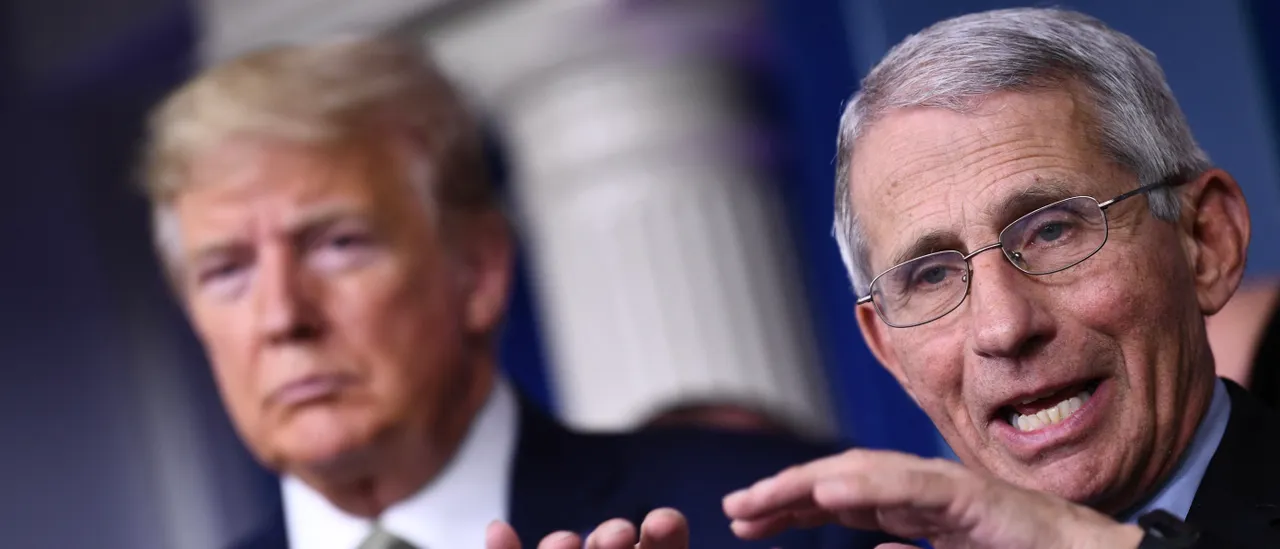
(Photo by BRENDAN SMIALOWSKI/AFP via Getty Images)
Derek VanBuskirk Reporter
July 27, 20266:10 PM ET
Republican Kentucky Sen. Rand Paul released Dr. Anthony Fauci’s personal diary Sunday, offering a behind-the-scenes look at the first Trump administration officials who aligned with Fauci as the country shut down during COVID-19.
The diary entries portray an administration divided over lockdowns, school closures and messaging, with several Republican officials backing the National Institute of Allergy and Infectious Diseases director’s efforts to maintain sweeping public health restrictions while sidelining dissenting voices. (RELATED: Fauci’s Own Diary Undercuts His Public Dismissal Of COVID Lab Leak)
One of the officials who backed the public health bureaucrat was Hope Hicks, a counselor to the president and former White House communications director, whom Fauci described as “very nice” after their first meeting in March 2020.
Fauci soon wrote that Hicks appeared to view him as a “future ally” after seeming uncomfortable with Trump’s desire for the COVID-19 team to hold two press briefings a day to boost morale and the economy through public transparency.
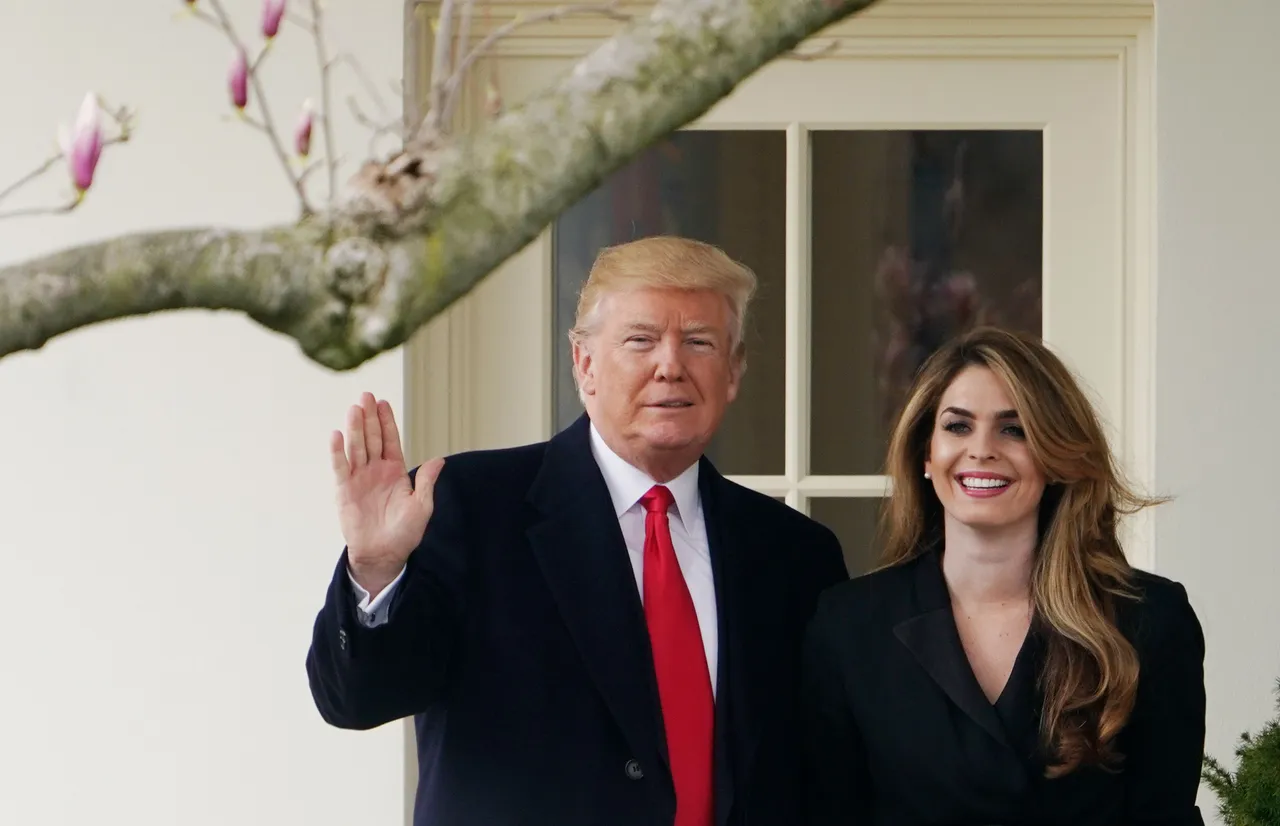
By early April, as Easter approached, Trump had grown increasingly frustrated with the continued shutdown of the economy and the country, calling Hicks and Fauci into the Oval Office to discuss reopening. Fauci wrote that Trump was “almost pleading” not to extend the country’s closure beyond the 30-day lockdown extension.
According to Fauci, Trump said he was destroying the country and that sports leagues and industry would be devastated by the administration’s recommendations.
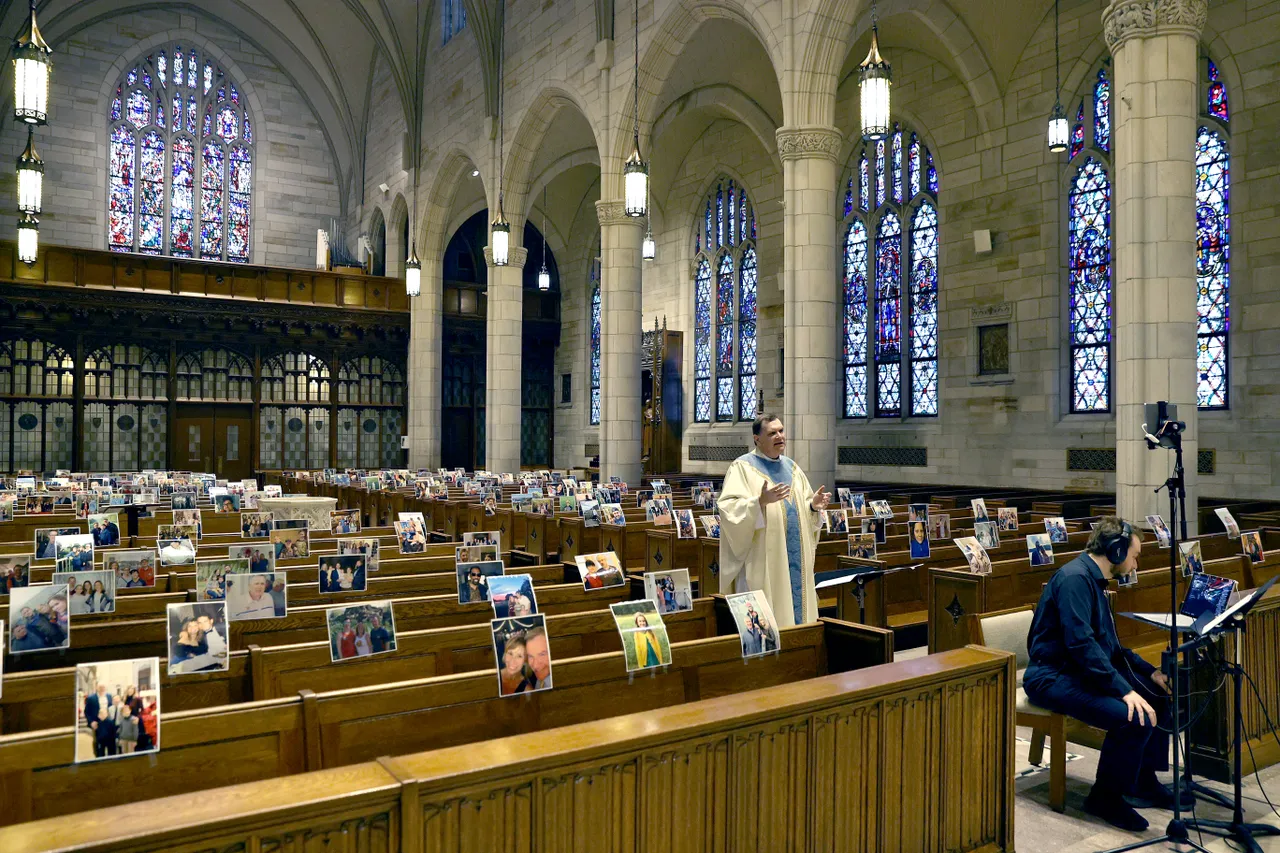
In an attempt to appeal to Fauci’s Catholic background, Trump proposed reopening the country for Easter, Good Friday and Palm Sunday, suggesting that Masses could be held outdoors or in a drive-in format, but Fauci said he wasn’t persuaded by the president’s recommendation.
“Hope Hicks and I convinced him to essentially put Easter on hold for this year,” Fauci wrote.
By early October, Fauci wrote in bold red letters that “Hope Hicks is infected!!!”
But Hicks was not the only White House official featured in the diary who became a Fauci ally.
Fauci also chronicled Alyssa Farah’s tenure as White House Communications Director, describing how she worked to get him in front of as many cameras as possible while attempting to silence and remove officials who publicly questioned him.
Farah took the position in April and, by July, was allowing Fauci to speak with virtually any reporter or appear on any television show he wanted, while cautioning that they would need to navigate Trump’s “impulsive and mercurial behavior.”
“She said that she would want me on every day and every night. However, the POTUS keeps saying that the Doctors are contradicting him and he is very impulsive and so when he sees or hears about a contradiction he blows up,” Fauci wrote in August.
He later described the administration’s press operation as “dysfunctional even though I believe that Alyssa is a good person.”
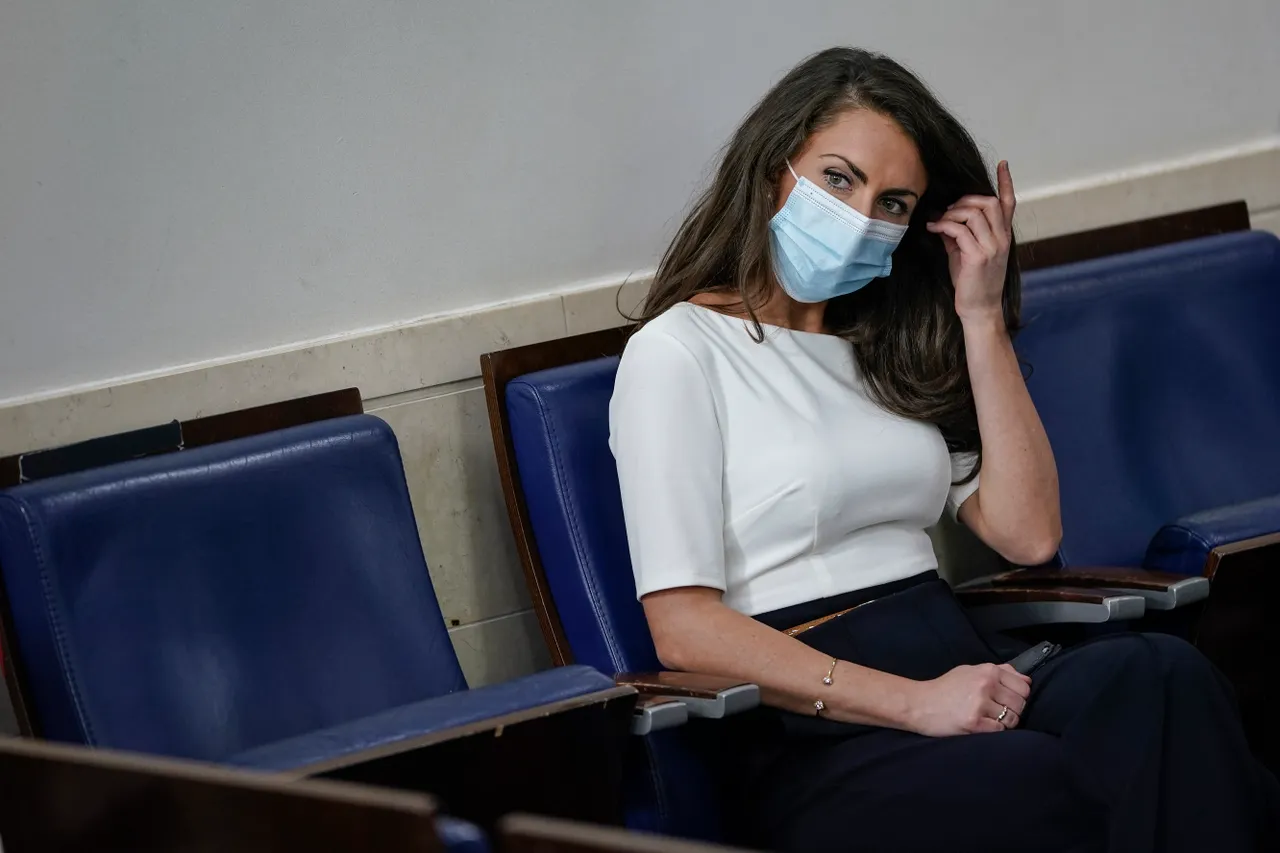
Farah also apologized for the “screw up” involving a junior staff member who published a list of every time Fauci had been wrong about the pandemic, telling Fauci it would hurt Trump to disrespect the doctor and question his credibility.
“I told her that the White House (either Meadows or the POTUS) needs to shut up Stephen Moore and stop his publication of ‘Dr. Wrong’ paper,” Fauci said.
Fauci also complained about inconsistent messaging from other White House doctors, including White House Coronavirus Response Coordinator Deborah Birx and special adviser to the president Scott Atlas, both of whom publicly challenged him at various points.
Atlas appeared to draw the greatest frustration from Fauci after he dismissed the NIAID director for saying that goggles could theoretically protect someone from the COVID-19 virus. Atlas also took umbrage with Fauci for downplaying the importance of natural immunity. According to Fauci, Farah cut Atlas off from doing media appearances in October.
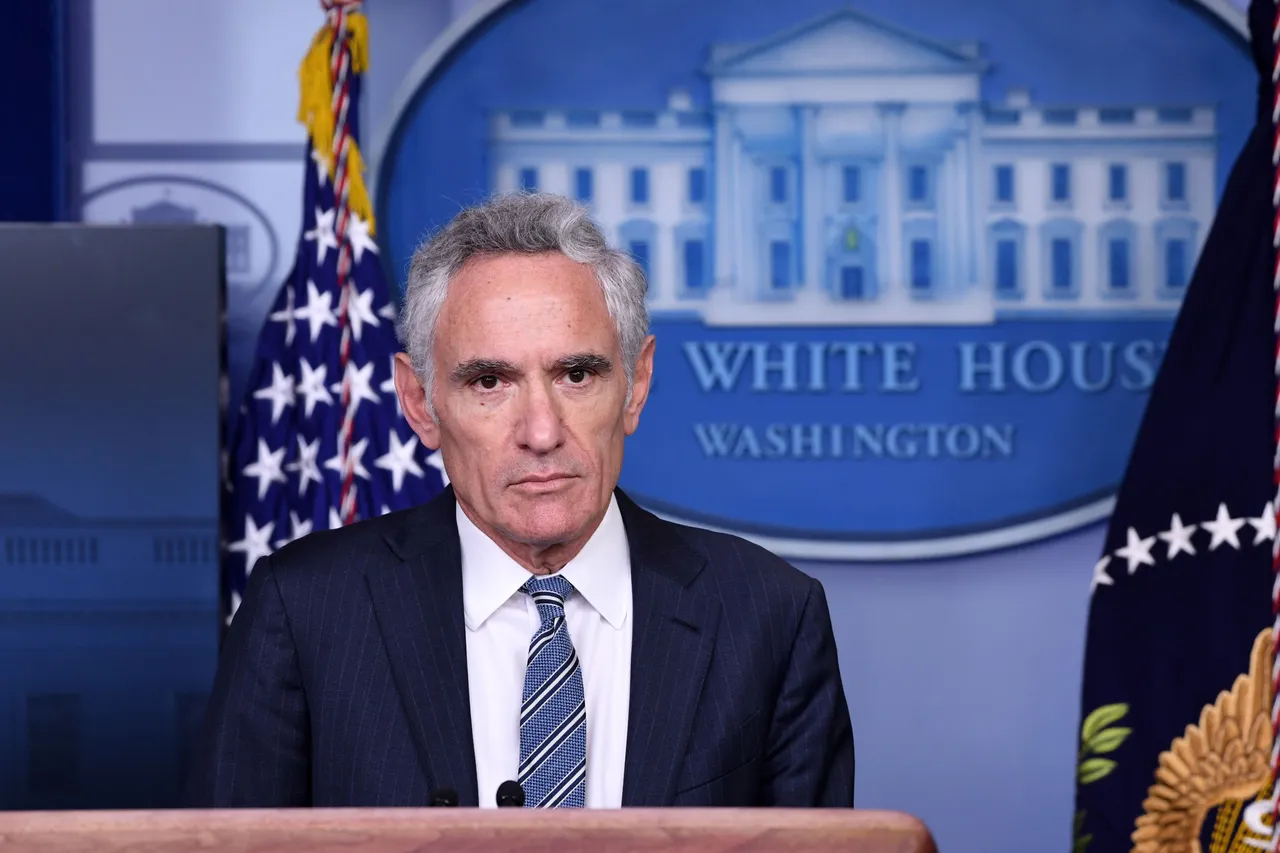
“I am so sorry that fool Scott Atlas keeps attacking you. I’m even more sorry I’m not in a better position of influence to see him out the door,” Farah told Fauci in November, later adding that she “totally supported” him and thanking him for what he had done.
Farah also said in November that she had “advocated for [Atlas’] dismissal for months to no avail” after he again criticized Fauci and disputed his interpretation of the data.
Atlas eventually left the administration in November 2020 when his temporary government appointment expired.
Just days before the 2020 election, Trump called Fauci, saying he was concerned Fauci’s messaging could cost Republicans the election.
“Tony, I really like you, and you know that, but what the f*ck are you doing? You constantly drop bombs on me. Everybody wants me to fire you, but I am not going to fire you; you have too illustrious a career, but you have to be positive. The country cannot stay locked down,” Trump said during the call from Air Force One, according to Fauci. “You have got to give them hope. I like you, but so many people, not only in the White House but throughout the country, hate you because of what you are doing.”
Trump did lose the election, and his administration would then spend its last few months preparing to hand a still-closed America and Fauci himself over to the incoming Biden administration.
“Alyssa Farah resigns,” Fauci wrote in December. “Good for her. One of the few good people in the administration.” (RELATED: Fauci’s Diary Reveals His Favorite Subject Was Anthony Fauci)
Fauci’s journaling also showed that he built a strong relationship with both Vice President Mike Pence and his chief of staff, Marc Short, even stating on multiple occasions how much he liked them and how it appeared the feeling was mutual.


No comments:
Post a Comment