November 22, 2026 Gary Blanchard
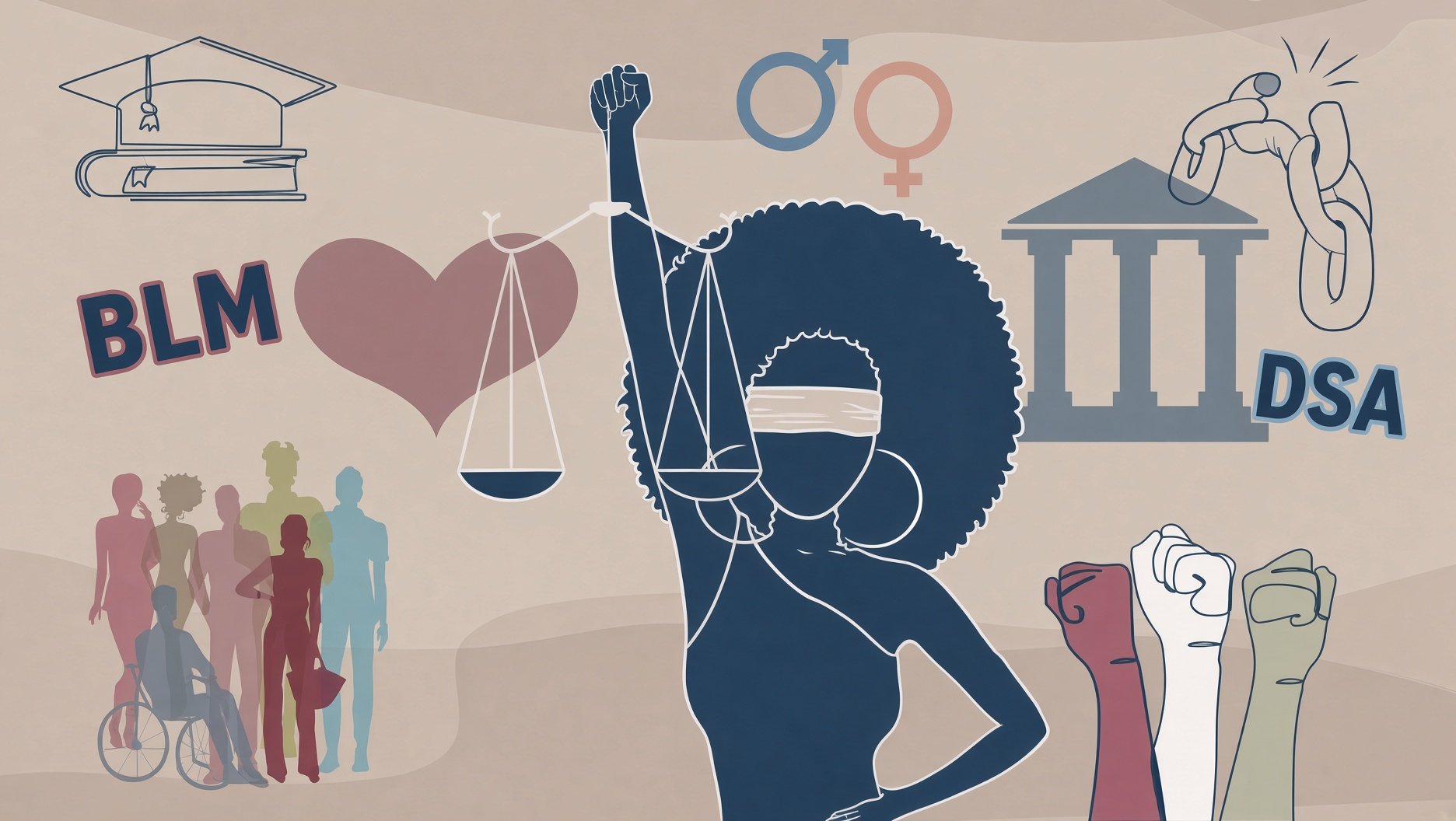
Throughout this series we have discovered that the gospel unites while social justice divides, that the gospel forgives while social justice keeps score, and that the gospel gives righteousness by faith while social justice assigns it by identity and works. Before we turn to our fourth contrast, some readers may be asking what evidence there is that social justice is rising as an ideology within the Adventist Church.
The Rise of Social Justice
Since 2020, many Adventists have noticed social justice language and themes being voiced increasingly in our pulpits, universities, church publications, ministries, podcasts, and youth resources. Sometimes these are presented openly, and at other times they come wrapped in language that sounds Christian but carries an undercurrent of selective empathy foreign to biblical justice (John 3:16; Leviticus 19:15; Romans 2:11).
This social justice trend is not imaginary. In 2020, church statements at the highest levels adopted social justice language, and that year alone, church entities across North America issued some two dozen official statements on race and racial justice, while a church-sponsored conference on racial justice for pastors and leaders drew hundreds of participants.
In 2021, one of our universities hosted a "Congress on Social Justice." By 2024, a conference was holding workshops on "Adventism's roots in social justice" and how to move the local church to get involved. Since then, the trend has only grown. Books and articles by Adventist authors now commend social justice to our members, podcasts and online platforms promote its vocabulary, and conventions have featured it prominently.
In June 2026, one of our own universities held its sixth annual "lavender graduation" on the grounds of its university church, honoring LGBTQ graduates, and for the first time senior administrators took part. In doing so, the university lent its voice to the affirmation of lifestyles that Scripture describes as sin (1 Corinthians 6:9-11). This should surprise no one, since organizations that embrace social justice tend to embrace these movements as well, counting them among the "oppressed."
Some church entities have even written diversity, equity, and inclusion into their mission or strategic statements, and at least one church event held just days before a major election gave a platform to a candidate who openly identifies as a democratic socialist, a political philosophy that draws heavily on Marxist thought. Readers of this series will not be surprised that those who embrace social justice would welcome such a candidate.

